
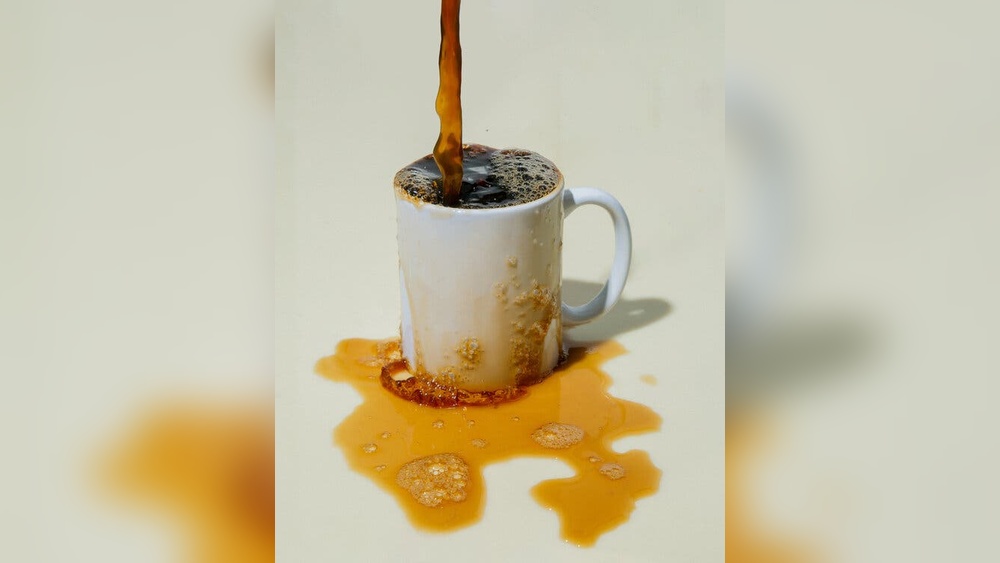
Millions of people begin their day with a cup of coffee, enjoying its rich taste and the energy boost it brings. Coffee is more than a drink -it’s a daily ritual, a source of comfort, and a way to connect with others. But as coffee shops multiply and caffeine finds its way into energy drinks, sodas, and even snacks, it’s natural to wonder: How much coffee is too much?
Some say two cups a day is the limit. Others drink five and feel fine. There are stories about health benefits, but also warnings about risks. The truth is, the answer depends on several factors, including your health, age, and sensitivity to caffeine.
Understanding where to draw the line is essential for your well-being.
This article explores the science behind coffee consumption, looking at recommended limits, health impacts, and the subtle signs your body gives when you’ve had too much. You’ll also learn about myths, real-world examples, and how to make smart choices whether you’re a casual sipper or a dedicated coffee lover.
What’s In Your Cup: Understanding Coffee And Caffeine
Coffee contains more than just caffeine. Each cup holds a complex mix of antioxidants, acids, oils, and hundreds of other compounds. However, caffeine is the ingredient most people pay attention to.
Caffeine is a natural stimulant that works by blocking adenosine, a chemical that makes you feel tired. This is why you feel more awake after a coffee. The amount of caffeine in coffee can vary based on the type of beans, roast, brewing method, and serving size.
Average Caffeine Content
Here’s a quick look at how much caffeine is in some common drinks:
| Beverage | Serving Size | Average Caffeine (mg) |
|---|---|---|
| Drip Coffee | 8 oz (237 ml) | 80-120 |
| Espresso | 1 oz (30 ml) | 60-75 |
| Instant Coffee | 8 oz (237 ml) | 30-90 |
| Decaf Coffee | 8 oz (237 ml) | 2-5 |
| Energy Drink | 8 oz (237 ml) | 70-100 |
| Black Tea | 8 oz (237 ml) | 40-70 |
| Soda (Cola) | 12 oz (355 ml) | 30-40 |
The numbers above are averages. Some coffee shop drinks can have much more caffeine, especially larger sizes.
How Much Coffee Is Safe? Expert Recommendations
Health experts have studied caffeine for decades. The general advice is based on how much caffeine is safe for most healthy adults.
Official Guidelines
- The U.S. Food and Drug Administration (FDA) says that up to 400 milligrams of caffeine per day (about 4-5 cups of coffee) is safe for most healthy adults.
- The Dietary Guidelines for Americans agree with this limit.
- The European Food Safety Authority (EFSA) also recommends a limit of 400 mg/day for adults.
This amount does not usually cause dangerous side effects. However, some people are more sensitive and may need to drink less.
Caffeine Comparison: Common Drinks
To see how daily coffee adds up, compare different drinks:
| Drink | Serving | Cups for 400mg |
|---|---|---|
| Drip Coffee | 8 oz | About 4 |
| Espresso | 1 oz | About 5-6 |
| Energy Drink | 8 oz | About 4-5 |
| Black Tea | 8 oz | About 6-10 |
| Soda | 12 oz | About 10-13 |
If you combine coffee with other caffeinated drinks, it’s easy to go over the recommended limit without realizing it.
Limits For Special Groups
Some people should drink less caffeine:
- Pregnant women: No more than 200 mg per day (about 2 cups of coffee)
- Teens and children: Caffeine is not recommended for young children; teens should have less than 100 mg per day
- People with heart problems: Ask your doctor about a safe amount
- Those with anxiety or sleep issues: Lower caffeine is best
Caffeine can pass to a baby during pregnancy or breastfeeding, so extra caution is needed.
Health Benefits Of Coffee (in The Right Amount)
Coffee is often in the news for its health effects. Moderate coffee drinking -about 2-4 cups per day -may have some benefits.
Possible Benefits
- Improved alertness: Caffeine helps you feel awake and focused.
- Better mood: Coffee may lower the risk of depression.
- Lower risk of some diseases: Studies link regular coffee drinking to a lower risk of type 2 diabetes, Parkinson’s disease, and Alzheimer’s disease.
- Antioxidants: Coffee is a major source of antioxidants, which can protect your cells.
- Possible heart protection: Some research suggests a lower risk of heart failure with moderate coffee intake.
Important Notes
- Benefits are strongest with moderate consumption.
- Adding lots of sugar or high-fat creamers can cancel out the good effects.
- People react differently to coffee, so listen to your body.
When Coffee Becomes Too Much: Signs And Symptoms
Drinking how much coffee is too much can lead to uncomfortable or even dangerous side effects. Sometimes these happen quickly; other times, they build up over days or weeks.
Common Symptoms Of Excessive Coffee
- Jitters or shakiness: Hands may tremble or you feel restless.
- Fast heartbeat: Palpitations or a racing heart.
- Anxiety: Feeling nervous or uneasy.
- Stomach upset: Nausea, cramps, or diarrhea.
- Insomnia: Trouble falling or staying asleep.
- Dizziness: Feeling lightheaded or unsteady.
- Headaches: Both too much and withdrawal from caffeine can cause them.
- Increased urination: Caffeine is a mild diuretic.
More Serious Effects
In rare cases, very high caffeine intake can cause:
- Heart rhythm problems
- Seizures
- Confusion or panic attacks
These are medical emergencies and need immediate attention.
How Your Body Handles Caffeine
People process caffeine at different speeds. This is why some can drink coffee at night and sleep fine, while others lie awake for hours.
Factors That Affect Caffeine Sensitivity
- Genetics: Some people break down caffeine faster due to their genes.
- Age: Children and older adults are usually more sensitive.
- Pregnancy: Caffeine stays in the body longer.
- Medications: Some drugs slow caffeine breakdown.
- Liver health: Liver disease can slow caffeine processing.
You may also build up a tolerance over time. Regular coffee drinkers may need more caffeine to feel the same effects. However, this also raises the risk of side effects if you suddenly increase your intake.
Caffeine Half-life
The “half-life” is the time it takes for half the caffeine to leave your body. For most adults, caffeine’s half-life is 3 to 7 hours. This means caffeine from an afternoon coffee can still be in your system at bedtime.
Coffee And Sleep: Why Timing Matters
Even if you don’t feel wired after coffee, caffeine can still affect your sleep quality. It blocks the chemicals that help you feel sleepy, making it harder to fall or stay asleep.
Tips For Better Sleep
- Avoid caffeine at least 6 hours before bedtime
- If you’re sensitive, stop even earlier
- Try decaf in the afternoon or evening
Many people are surprised to learn that caffeine can also reduce deep sleep time, even if you fall asleep easily.
How To Tell If You’re Drinking Too Much
There’s no single answer for everyone. However, look for these signs:
- You need more coffee to feel awake each day
- You feel anxious or jittery after your usual amount
- You have trouble sleeping, even when tired
- You get headaches if you skip coffee
- You have stomach problems or heart palpitations
If you notice these, try cutting back and see if symptoms improve.
The Hidden Caffeine Trap: Sources Beyond Coffee
Coffee isn’t the only source of caffeine. It hides in many everyday foods, drinks, and even medicine.
Common Hidden Sources
- Energy drinks and shots
- Sodas, including some root beers and orange sodas
- Iced teas and bottled teas
- Chocolate (especially dark chocolate)
- Pre-workout supplements
- Pain relievers (some contain as much as a cup of coffee)
Always read labels, especially if you’re sensitive to caffeine or tracking your daily intake.
Myths About Coffee And Caffeine
There’s a lot of confusion about coffee. Let’s clear up some common myths.
Myth 1: Coffee Stunts Your Growth
There’s no strong evidence that coffee stops children or teens from growing. However, children are more sensitive to caffeine and should have much less.
Myth 2: Coffee Is Addictive Like Drugs
Caffeine can cause dependence, but it’s not as severe as drug addiction. You may get headaches or feel tired if you stop suddenly, but these symptoms usually go away in a few days.
Myth 3: Coffee Dehydrates You
While caffeine is a mild diuretic, the water in coffee more than makes up for it. For most people, coffee counts toward daily water needs.
Myth 4: Stronger Coffee Has More Caffeine
Not always. Brewing time, grind, and bean type matter more than taste. For example, a light roast can have more caffeine than a dark roast.
Real-world Stories: When Coffee Crosses The Line
Learning from real experiences can help you understand the risks of too much coffee.
Case 1: The 6-cup-a-day Student
A college student drank six large coffees daily to stay awake for exams. He began having panic attacks, a racing heart, and couldn’t sleep. When he cut back to two cups, his symptoms disappeared. This shows how quickly caffeine can add up, especially during stressful times.
Case 2: The Decaf Surprise
A middle-aged woman switched to decaf for health reasons but still felt jittery. She learned that her “decaf” still had 10-20 mg per cup. Drinking several cups a day, plus chocolate and tea, pushed her over her comfort limit.
Case 3: The Energy Drink Mix
A young athlete used energy drinks before workouts and regular coffee in the morning. He started having stomach pains and heart palpitations. After tracking his intake, he found he was drinking over 600 mg of caffeine daily -well above the safe limit.
How To Cut Back Safely
If you think you’re drinking too much coffee, it’s best to reduce slowly. Stopping suddenly can cause withdrawal symptoms like headaches, fatigue, or irritability.
Steps To Reduce Caffeine
- Track your intake: Write down all sources for a few days.
- Reduce by one cup at a time: Lower your daily amount gradually.
- Switch to decaf or herbal teas: These have little or no caffeine.
- Drink more water: This helps with headaches and keeps you hydrated.
- Get enough sleep: Tiredness often leads to more coffee.
A slow reduction is easier on your body and helps you notice if symptoms improve.
Coffee, Health Conditions, And Medications
Some people need to be extra careful with caffeine due to health issues or medicine interactions.
Heart Problems
Caffeine can raise heart rate and blood pressure. If you have arrhythmias (irregular heartbeat) or uncontrolled high blood pressure, talk to your doctor before drinking coffee.
Anxiety And Mental Health
Caffeine can make anxiety worse. If you struggle with nervousness, panic attacks, or mood disorders, even small amounts of coffee can be a trigger.
Pregnancy And Breastfeeding
Caffeine crosses the placenta and can affect the baby’s heart rate. Most doctors recommend less than 200 mg per day during pregnancy.
Medication Interactions
Some drugs, like certain antibiotics, antidepressants, and heart medicines, slow the breakdown of caffeine. This means it stays in your system longer and can cause stronger effects. Always check with your healthcare provider.
Coffee Habits Around The World
Coffee is enjoyed everywhere, but habits differ between countries.
| Country | Average Cups per Person per Day | Popular Style |
|---|---|---|
| Finland | 4 | Light roast filter coffee |
| United States | 3 | Drip coffee, espresso drinks |
| Italy | 2 | Espresso |
| Brazil | 1-2 | Strong black coffee |
| Japan | 1 | Canned coffee, pour-over |
Cultural habits affect how much coffee people drink, the size of each cup, and what “normal” means in each place.
Decaf Coffee: Is It A Good Option?
Decaf coffee is made by removing most of the caffeine from regular beans. It’s a good choice if you want the taste of coffee but less caffeine.
Decaf Details
- Still contains a small amount of caffeine (2-5 mg per cup)
- Good for those with caffeine sensitivity or sleep problems
- May have the same antioxidants as regular coffee
Remember, drinking many cups of decaf can still add up to a noticeable caffeine amount.
Children, Teens, And Coffee
Caffeine is not just an adult issue. Young people are more sensitive to its effects.
Why Kids Should Avoid Caffeine
- It can cause nervousness, upset stomach, and sleep problems
- May affect bone health if it replaces milk or healthy drinks
- Energy drinks are especially risky for children and teens
If your child wants to try coffee, encourage small amounts and avoid adding sugar or cream.
The Role Of Your Lifestyle
Coffee is just one part of your daily routine. Its effects depend on your overall habits.
Balance Matters
- If you’re stressed, tired, or not eating well, you may drink more coffee to cope
- Regular exercise and good sleep lower the need for caffeine
- Drinking coffee with healthy meals reduces stomach upset
Remember, coffee is not a substitute for healthy living.
How To Enjoy Coffee Without Overdoing It
Coffee can be part of a healthy lifestyle if you pay attention to your body and habits.
Smart Coffee Tips
- Choose quality over quantity: Savor one good cup rather than many weak ones
- Limit sugar and high-fat creamers
- Drink water with your coffee: This helps with hydration and lessens stomach upset
- Take breaks: Go caffeine-free for a day or two each week
- Listen to your body: Cut back if you notice side effects
Small changes can help you enjoy coffee’s benefits without the risks.
Two Insights People Often Miss
Most people focus only on the number of cups. But there are two important details beginners often overlook:
- Caffeine sensitivity changes over time. Life events like pregnancy, illness, or even aging can make you more or less sensitive to caffeine -even if you drank the same amount for years.
- Caffeine sources add up quickly. Many people don’t count the caffeine in tea, soda, chocolate, or medicine. Tracking all sources is the only way to know your true daily intake.
Missing these points can lead to unexpected side effects or health problems.
When To Seek Medical Advice
Most coffee-related symptoms are mild. But see a doctor if you notice:
- Chest pain, strong palpitations, or fainting
- Severe anxiety, confusion, or panic attacks after coffee
- Seizures or muscle twitching
Also, consult your doctor if you have medical conditions or take medications that may interact with caffeine.
Frequently Asked Questions
What Is The Maximum Amount Of Coffee A Healthy Adult Should Drink Daily?
The safe limit for most healthy adults is 400 mg of caffeine per day, which is about 4 to 5 cups of regular coffee. However, sensitivity varies, so some people may need less. Remember, all sources of caffeine count toward this limit.
Can I Develop A Tolerance To Coffee?
Yes. Over time, regular coffee drinkers may need more caffeine to feel the same energy boost. This is called tolerance. However, increasing your intake can also raise the risk of side effects. Taking breaks from caffeine can help reset your sensitivity.
Is Coffee Safe During Pregnancy?
Pregnant women should limit caffeine to less than 200 mg per day (about 2 cups of coffee). This is because caffeine crosses the placenta and can affect the baby’s development. Always check with your doctor for the safest amount.
What Should I Do If I Think I’ve Had Too Much Coffee?
If you feel jittery, anxious, or have a racing heart, stop drinking caffeine for the day and drink water. Rest and avoid more stimulants. If you experience chest pain, severe palpitations, confusion, or fainting, seek medical help immediately.
Does Decaf Coffee Have Health Benefits?
Yes. Decaf coffee contains antioxidants and may offer some of the same health benefits as regular coffee, without most of the caffeine. It’s a good choice for those who are sensitive to caffeine or want to avoid sleep problems.
Coffee is a beloved drink with a long history and many pleasures. But enjoying it safely means knowing your limits, paying attention to your body, and making adjustments as needed. By understanding how much is too much, you can get the best from your cup -without any regrets.
For more on caffeine safety, see the FDA’s advice on caffeine.