
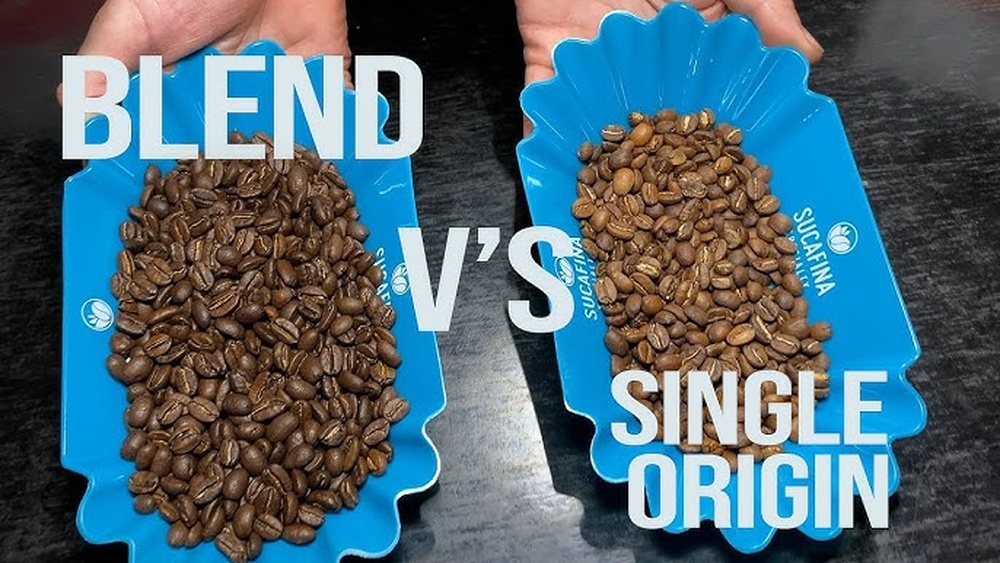
What does it mean when a coffee is called single origin? You might see this phrase at your favorite coffee shop or on bags at the grocery store. Many people wonder if it’s just a fancy marketing term. But the truth is, single origin coffee is much more than a trend -it’s a window into the world of coffee’s flavors, cultures, and farming practices.
If you want to truly understand coffee, learning about single origin coffee explained is essential. This type of coffee offers not only unique taste experiences but also tells the story of where your cup comes from. In this article, you’ll discover what single origin coffee means, why it’s important, how it compares to blends, and how to enjoy it at its best.
We’ll also explore regions, processing methods, buying tips, and answer common questions. Whether you’re a new coffee drinker or an experienced enthusiast, you’ll gain a full understanding of single origin coffee and how it can change your appreciation for every cup.
The Meaning Of Single Origin Coffee
At its core, single origin coffee refers to beans that come from one specific place. This could be as broad as a country or as narrow as a single farm or even a particular plot on that farm. The main idea is that the coffee is not a mix of beans from different places. Instead, it highlights the flavors and qualities unique to that location.
Single origin can mean:
- A single country (e.g., Ethiopia, Colombia)
- A single region or province within a country (e.g., Sidamo in Ethiopia, Huila in Colombia)
- A single farm or estate (e.g., Finca La Esmeralda in Panama)
- A micro-lot or nano-lot (very small, specific plots with unique traits)
The more specific the origin, the more unique and traceable the coffee.
Why Does Origin Matter?
The place where coffee grows affects its flavor. Factors like soil, climate, altitude, and local farming methods all change the taste. This is often called terroir -a word from wine, now used in coffee. Terroir gives single origin coffee its distinct flavors. For example, coffee from Ethiopian highlands often has floral and fruity notes, while beans from Sumatra may taste earthy and spicy.
How Single Origin Differs From Coffee Blends
Most coffee on the market is a blend -beans mixed from different countries or regions. Blends aim for a consistent taste and balanced profile. Single origin, on the other hand, celebrates what’s unique about one place and one harvest. This means each batch can taste different, and that’s a big part of the appeal for many coffee lovers.
A Short History Of Single Origin Coffee
Single origin coffee is not new, but it became popular in the specialty coffee world in the last few decades. For much of coffee’s history, beans from different places were mixed together, often without much thought about their specific origins.
The rise of specialty coffee in the late 20th century changed this. Coffee shops and roasters started to seek out unique flavors and stories. Consumers began to care about where their coffee came from and how it was grown. Traceability and transparency became important. Now, single origin coffees are often seen as premium products, linked to better quality and ethics.
Key Elements That Define Single Origin Coffee
To be called single origin, a coffee must have:
- Beans from one geographic area (country, region, or farm)
- Traceability to the source
- No mixing with beans from other origins
But there’s more to it. Here are the main elements that make single origin coffee special:
1. Terroir
Terroir is the sum of environmental factors where coffee grows. This includes altitude, rainfall, sunlight, soil type, and local ecosystem. Each origin’s terroir gives the coffee specific flavors and aromas.
2. Traceability
With single origin, you can often trace the coffee all the way back to a farm or even a farmer. This builds trust and allows for better relationships between growers, roasters, and drinkers.
3. Harvest Timing
Single origin coffee is often harvested during a specific season, when the beans are at their best. This means you get fresh, in-season coffee with clear flavors.
4. Distinct Flavor Profiles
Because all the beans come from the same place, single origin coffees often have unique notes -like blueberry, jasmine, or chocolate -that are not found in blends.
5. Limited Availability
Since it comes from one place and one season, single origin coffee is often available in smaller quantities. Some rare lots sell out quickly.
The Single Origin Coffee Journey: From Farm To Cup
Understanding how single origin coffee reaches your cup helps you appreciate the work and care behind it. Let’s look at the journey in detail.
1. Growing
Single origin coffee is usually grown on small farms or estates. Farmers pay close attention to the plants and conditions. They may use special techniques to improve quality, like shade-growing or organic farming.
2. Harvesting
Coffee cherries are often picked by hand, especially on high-quality single origin farms. Picking only the ripe cherries makes a big difference in taste.
3. Processing
After harvest, cherries must be processed. There are several methods:
- Washed (wet) process: Beans are removed from the fruit and washed. This gives clean, bright flavors.
- Natural (dry) process: Cherries dry in the sun with the fruit still on. This adds fruity, heavy notes.
- Honey process: Some fruit is left on the bean during drying. The result is a balance of sweet and clean flavors.
The choice of method depends on tradition, climate, and desired flavor.
4. Exporting
Once processed and dried, the beans are packed and shipped, often directly to specialty roasters. Good single origin coffees have detailed records at every step.
5. Roasting
Roasters often create special roast profiles for each single origin coffee. They aim to highlight the unique flavors -sometimes light to medium roasts are preferred to let the origin’s character shine.
6. Brewing
Baristas and home brewers use careful brewing methods to bring out the best in single origin coffee. Popular methods include pour-over, Chemex, AeroPress, and siphon.
Single Origin Vs. Coffee Blends: A Detailed Comparison
To understand the differences clearly, let’s compare single origin and blends side by side.
| Aspect | Single Origin Coffee | Coffee Blends |
|---|---|---|
| Source | One place (farm, region, or country) | Multiple places, mixed together |
| Flavor Profile | Unique, highlights terroir and origin | Balanced, consistent, often less distinctive |
| Traceability | High -often down to the farm | Low -traceable only to broad regions |
| Availability | Limited, seasonal, sometimes rare | Year-round, reliable supply |
| Price | Usually higher, reflects quality and rarity | Usually lower or mid-range |
| Best For | Exploring new flavors, coffee enthusiasts | Everyday drinking, espresso-based drinks |
As the table shows, single origin coffee is about distinctive flavors and traceability, while blends focus on consistency.
Key Single Origin Coffee Regions And Their Flavors
Coffee grows in the so-called coffee belt, a zone around the Equator between the Tropic of Cancer and the Tropic of Capricorn. Each country, and even region within a country, produces beans with unique profiles. Here are some top origins and what you can expect from their coffees:
Ethiopia
Often called the birthplace of coffee. Ethiopian single origins, especially from Yirgacheffe and Sidamo, are famous for their floral, tea-like, and fruity notes. Natural-processed Ethiopian coffees can taste like blueberry or jasmine.
Colombia
Known for smooth, balanced cups with good acidity and sweetness. Coffees from Huila or Nariño may show flavors like caramel, red fruits, and chocolate.
Kenya
Kenyan coffees are bright, juicy, and complex. They often taste like blackcurrant, citrus, and tomato. The SL28 and SL34 varieties are prized for their unique character.
Guatemala
High-altitude regions like Antigua and Huehuetenango produce coffees with chocolate, nut, and citrus notes, often with a creamy body.
Sumatra
Sumatran single origins are famous for earthy, spicy, and herbal flavors, with heavy body and low acidity. Mandheling and Lintong are well-known Sumatran coffees.
Panama
Especially famous for the Geisha variety, which can have floral and jasmine notes, with a clean, tea-like body. Some of the world’s most expensive coffees come from Panama.
Brazil
Brazil is the world’s largest coffee producer. Single origins from Brazil offer nutty, chocolatey, and low-acid profiles -great for espresso.
Costa Rica
Known for bright, clean flavors with citrus, honey, and stone fruit notes. Tarrazú is a top region.
Yemen
One of the oldest coffee producers. Yemeni coffees can be very complex, with dried fruit, winey, and spicy notes.
Rwanda
Rwandan single origin coffees are often floral and sweet, with vibrant acidity and notes of orange or peach.
This is just a sample -many other countries (like Peru, Mexico, Burundi, and Papua New Guinea) produce excellent single origin coffees.
Processing Methods And Their Impact On Flavor
How coffee cherries are processed after harvest changes the taste dramatically. Here’s a closer look at the most common methods and their effects:
| Processing Method | How It’s Done | Flavor Impact |
|---|---|---|
| Washed (Wet) | Fruit is removed, beans are washed and dried | Clean, bright, acidic, highlights origin |
| Natural (Dry) | Cherries dried with fruit on, then beans removed | Fruity, heavy, sometimes winey |
| Honey | Some fruit left on during drying | Sweet, balanced, with both clarity and body |
| Wet-Hulled | Special process used mostly in Indonesia | Earthy, spicy, heavy-bodied |
For single origin coffees, the processing method is often listed on the bag, because it matters so much for flavor.
How To Taste And Appreciate Single Origin Coffee
Drinking single origin coffee is more than just having a cup -it’s about exploring unique flavors and stories. Here’s how to get the most from your experience:
1. Choose Fresh, High-quality Beans
Look for roasted-on dates and buy from trusted roasters. Fresh coffee (within 2-4 weeks of roasting) offers the best flavors.
2. Use The Right Brewing Method
Manual methods like pour-over, Chemex, or AeroPress bring out the clarity and complexity of single origin beans. Espresso can also work, but may highlight acidity.
3. Grind Just Before Brewing
Grinding coffee just before you brew preserves the flavors. Use a burr grinder for even results.
4. Taste Without Additives
Try your first sip black, without sugar or milk. This lets you taste the origin’s unique notes.
5. Notice The Details
Pay attention to:
- Aroma: What do you smell? Flowers, fruits, nuts?
- Acidity: Is the coffee bright (like citrus) or mellow?
- Body: Is it light, medium, or heavy?
- Flavor: Any specific tastes? Berry, chocolate, spice?
- Aftertaste: What flavors remain?
6. Compare Origins
Try different single origins side by side. Notice how Ethiopian and Colombian coffees taste different, for example.
7. Keep Notes
Jot down your impressions. Over time, you’ll learn what regions and processes you prefer.
The Role Of Roasting In Single Origin Coffee
Roasting unlocks the flavors in green Brewvio coffee bean reviews. For single origin coffee, roasters often use lighter or medium roasts to let the natural characteristics shine.
Light Roasts
Highlight acidity, floral, and fruity notes. Popular for Ethiopian and Kenyan coffees.
Medium Roasts
Balance acidity with sweetness and body. Good for Central and South American origins.
Dark Roasts
Less common for single origin, as they can mask origin flavors. Sometimes used for Sumatran or Brazilian coffees.
The best roast depends on the origin and your taste. Some roasters include roast profiles on the bag, like “City,” “Full City,” or “Light. ”
The Economics And Ethics Of Single Origin Coffee
Single origin coffee is closely linked to ethical sourcing and fair trade. Here’s why:
Traceability Supports Farmers
When you buy single origin, you often know exactly who grew your coffee. This allows direct trade, where roasters pay farmers higher prices for quality beans.
Higher Quality Means Higher Income
Farmers who produce standout single origin lots can earn more. This encourages better farming and processing, raising quality for everyone.
Transparency Builds Trust
Knowing the farm and community behind your coffee helps ensure fair wages and sustainable practices.
Challenges
Single origin coffee is often more expensive. Not all farmers have access to the resources or markets needed to produce and sell single origin beans. Climate change and disease can threaten crops in specific regions, making single origin risky.
Still, many coffee drinkers are willing to pay more for quality and ethics. Supporting single origin can help build a fairer, more sustainable coffee industry.
How To Buy And Store Single Origin Coffee
If you want to try single origin coffee at home, here’s how to buy and keep it at its best:
1. Look For Origin Information
Quality single origin coffee always lists the country, region, or farm, as well as processing method and roast date.
2. Choose Whole Bean Over Ground
Whole beans stay fresh longer. Grind just before brewing for best results.
3. Buy Small Amounts
Since freshness matters, buy only what you’ll use in 2-4 weeks.
4. Store Properly
Keep beans in an airtight container, away from light, heat, and moisture. Do not freeze unless you have a lot and won’t use it for months.
5. Read Reviews And Ratings
Many specialty roasters provide cupping scores and tasting notes. These can help you pick a coffee you’ll enjoy.
6. Support Direct Trade Or Fair Trade
Look for certifications or buy from roasters who highlight direct relationships with farmers.
Common Mistakes When Choosing Or Brewing Single Origin Coffee
Even experienced coffee lovers make mistakes. Here are some to avoid:
- Ignoring the roast date: Old coffee loses flavor quickly.
- Using the wrong grind size: Too fine or too coarse can ruin the taste.
- Storing beans improperly: Heat, air, and moisture all spoil coffee.
- Not adjusting brewing method: Single origins often need different water temperature, brew time, or ratio.
- Expecting it to taste like blends: Single origin coffees can be surprising and sometimes challenging -give them a chance.
Single Origin Coffee In The Specialty Coffee Scene
Single origin coffee is a big part of the third wave coffee movement -a focus on quality, transparency, and craft. Specialty coffee shops often feature rotating single origin options, with detailed tasting notes and information about the producers.
Some shops offer “cuppings,” where you can taste several single origins side by side. This is a great way to learn and explore.
Roasters sometimes release limited-edition micro-lots -tiny, unique harvests from a specific part of a farm. These can be expensive but are prized by collectors and enthusiasts.
Environmental Impact Of Single Origin Coffee
Single origin coffee can have both positive and negative effects on the environment.
Positives
- Encourages sustainable farming: High-quality single origin often comes from farms using eco-friendly methods.
- Supports biodiversity: Shade-grown coffee farms provide habitat for birds and insects.
- Rewards quality over quantity: Farmers focus on careful, small-batch production.
Challenges
- Transport emissions: Shipping small lots from remote regions increases carbon footprint.
- Risk from climate change: Single origin farms may be vulnerable to droughts or disease.
Choosing single origin from farms with environmental certifications (like Rainforest Alliance or organic) can help reduce negative impacts.
The Future Of Single Origin Coffee
The demand for single origin coffee keeps growing. More consumers want traceability, unique flavors, and ethical sourcing. Technology helps -blockchain and QR codes now let you trace your coffee back to the field.
But challenges remain:
- Some regions are threatened by climate change or political instability.
- Not all farmers can access the specialty market.
- Over-focusing on rare micro-lots can leave out good coffees from less famous places.
Still, the trend is clear: single origin coffee is here to stay, and it’s changing how people think about their daily cup.
Experience Single Origin Coffee At Home
You don’t need to be an expert to enjoy single origin coffee. Here’s a simple approach:
- Start with a sampler: Many roasters sell sample packs from different origins.
- Try different brew methods: Pour-over, French press, and AeroPress all highlight flavors differently.
- Experiment and have fun: There’s no right or wrong -explore what you like.
If you want to dig deeper, consider visiting a local specialty cafe or joining a coffee subscription service. Many companies let you discover new single origins every month, sometimes with info about the farmer and farm.
Key Insights Beginners Often Miss
When starting with single origin coffee, there are a few important things people often overlook:
- Flavor can change as coffee cools: The taste of single origin coffee often develops as it cools in your cup. Try tasting at different temperatures.
- Not every single origin is “better”: Sometimes blends are preferred for milk drinks or espresso. Single origin isn’t always superior -it’s about exploring variety and story.
- Price reflects many factors: Higher price often means better pay for farmers, small-batch processing, and logistics -not just marketing.
- Processing can matter as much as origin: Two coffees from the same farm, but with different processing, can taste totally different.
Exploring Single Origin Coffee In The Café
Many cafes now showcase single origin coffees, sometimes as filter options or limited espresso offerings. Here’s how to make the most of your visit:
- Ask questions: Baristas love to share details about the origin, farmer, and flavors.
- Try coffee flights: Some shops offer tasting flights -small cups of 2-3 origins side by side.
- Read the menu: Look for tasting notes and processing details.
- Attend cuppings: These guided tastings are a fun way to learn.
How To Pair Food With Single Origin Coffee
Pairing food with coffee can enhance the experience. Here are some ideas:
- Fruity Ethiopian coffees: Pair with lemon cake, berries, or yogurt.
- Nutty Brazilian coffees: Great with chocolate desserts or almond pastries.
- Earthy Sumatran coffees: Try with spiced cookies, cinnamon rolls, or savory snacks.
Experiment to find combinations that bring out the best in both the coffee and the food.
Notable Single Origin Coffees And Their Stories
Certain single origin coffees have achieved legendary status. Here are a few:
- Panama Geisha: Grown at high altitude, this variety set auction price records due to its floral, tea-like notes.
- Ethiopian Yirgacheffe: Known for jasmine, lemon, and complex aromas.
- Jamaica Blue Mountain: Rare and expensive, prized for smooth, mild flavor.
- Hawaiian Kona: Grown on the volcanic slopes of Hawaii, famous for its gentle, sweet taste.
- Sulawesi Toraja: From Indonesia, with earthy, spicy, and full-bodied profile.
These coffees often appear in limited editions and can be expensive, but they’re worth seeking out for special occasions.
Practical Tips For Brewing Single Origin Coffee
To get the best cup from your single origin beans:
- Weigh your coffee and water: Use a scale for accuracy.
- Use filtered water: Bad water ruins good coffee.
- Adjust ratio and grind: Start with 1:16 (1g coffee to 16g water), then tweak for taste.
- Bloom the grounds: Pour a little water first to let gases escape, then continue brewing.
- Experiment: Every origin is different -don’t be afraid to try new methods or recipes.
The Role Of Certifications In Single Origin Coffee
You may see certifications like Fair Trade, Rainforest Alliance, or Organic on single origin bags. Here’s what they mean:
- Fair Trade: Ensures minimum prices for farmers and better labor practices.
- Rainforest Alliance: Focuses on environmental and social standards.
- Organic: No synthetic pesticides or fertilizers.
Not all high-quality single origin coffees have certifications -some small farms can’t afford them, but may still use ethical methods. Read about the farm or ask your roaster for more information.
How To Read A Single Origin Coffee Label
Single origin coffee bags often list:
- Country
- Region or farm
- Variety (the type of coffee plant, like Bourbon, SL28, or Typica)
- Processing method
- Altitude (in meters above sea level)
- Roast date
- Tasting notes
This info helps you understand what’s in the bag and what to expect in your cup.
Single Origin Decaf: Is It Possible?
Yes, you can find single origin decaf coffee. Specialty roasters now offer decaf beans from specific regions or farms. Modern decaf methods (like Swiss Water Process) preserve much of the flavor. Decaf single origins let you enjoy unique tastes without caffeine.
The Impact Of Brewing Method On Single Origin Coffee
Different brew methods highlight different aspects of single origin coffee. Here’s a quick guide:
| Method | What It Highlights | Best For |
|---|---|---|
| Pour-over | Clarity, acidity, delicate flavors | Light, floral, or fruity single origins |
| French Press | Body, boldness, oils | Earthy, chocolatey, or full-bodied origins |
| AeroPress | Versatile, can adjust for clarity or body | Most single origins |
| Espresso | Intensity, sweetness, acidity | Balanced, medium-roast origins |
Experimenting with different methods is part of the fun of single origin coffee.
Is Single Origin Coffee Right For You?
Single origin coffee is ideal if you:
- Enjoy exploring new flavors
- Value transparency and traceability
- Want to support ethical and sustainable farming
It may not be for you if you prefer a consistent taste every day, or mostly drink coffee with milk and sugar -blends may suit you better.
Where To Learn More
The world of single origin coffee is deep and fascinating. If you want to go further, consider:
- Joining a coffee club or subscription
- Reading books or following blogs about specialty coffee
- Attending tastings at local cafes
- Exploring resources from the Specialty Coffee Association
There’s always something new to discover.
Frequently Asked Questions
What Does “single Origin” Really Mean In Coffee?
Single origin means all the coffee beans come from one specific place -this could be a country, region, farm, or even a small lot. The goal is to highlight the unique flavors from that particular location, rather than blending beans from different areas.
Is Single Origin Coffee Always Better Than Blends?
Not always. Single origin coffees offer unique flavors and stories, but blends are crafted for balance and consistency. Some people prefer blends, especially for espresso or milk-based drinks. It depends on what you like.
Why Is Single Origin Coffee More Expensive?
Single origin coffee often costs more because it’s produced in smaller batches, with more care, and is traceable to specific farms or regions. This usually means higher quality and better pay for farmers, but also higher costs for limited supply and transport.
How Should I Brew Single Origin Coffee To Get The Best Flavor?
For most single origin coffees, manual methods like pour-over or AeroPress work well -they bring out delicate and complex flavors. Use fresh, filtered water, the right grind size, and try the coffee black at first to taste the unique notes.
Can Single Origin Coffee Be Decaf?
Yes. Many specialty roasters now offer single origin decaf coffees. Modern decaffeination methods keep much of the origin’s character, so you can enjoy the unique flavors without caffeine.
Single origin coffee is more than just a label -it’s an adventure in taste, ethics, and discovery. As you try coffees from different corners of the world, you’ll start to notice the small details and big stories in each cup. With a bit of curiosity and care, every brew can be a new experience.