
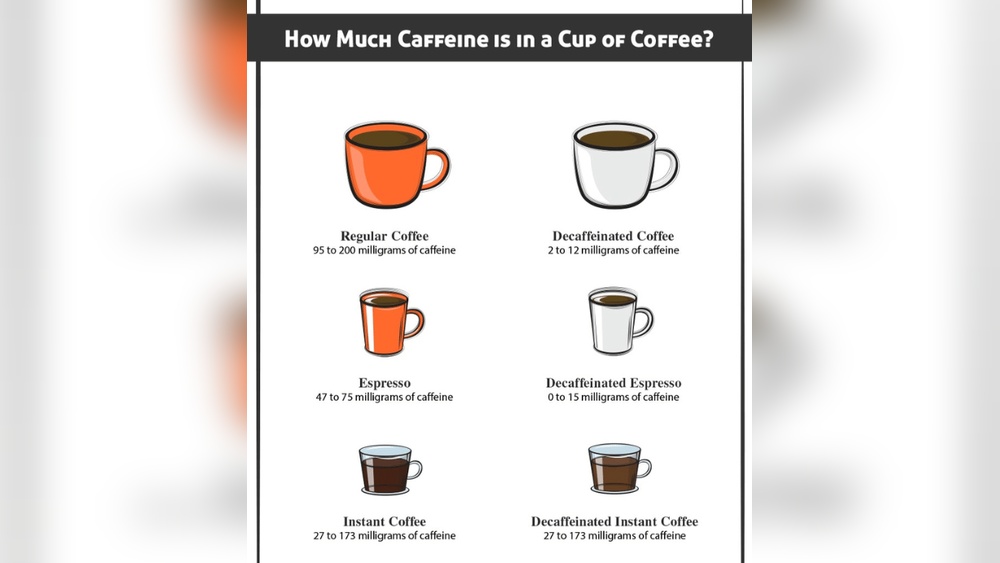
Coffee is more than just a drink. For many, it’s a daily ritual, a comfort, and a source of energy. But have you ever wondered, how much caffeine is in a cup of coffee? The answer is not as simple as you might think. The caffeine content can change based on the type of bean, brewing method, serving size, and even the brand. Understanding what’s really in your cup can help you make smarter choices, whether you want a strong jolt in the morning or need to cut back for health reasons.
This article takes a deep look at caffeine in coffee, breaking down what affects the amount, how various types compare, myths and facts, safe limits, and more. You’ll also see real numbers, practical tables, and expert insights that most people overlook.
By the end, you’ll have a clear picture of what’s in your cup -and how to enjoy coffee with confidence.
What Is Caffeine And Why Does It Matter?
Caffeine is a natural stimulant found in coffee beans, tea leaves, cacao pods, and several other plants. It works mainly by blocking adenosine, a chemical in your brain that makes you feel tired. That’s why after drinking coffee, you often feel more awake and alert.
The amount of caffeine you consume can have a strong effect on your body. Low to moderate doses might help you focus, but too much can lead to jitters, sleep problems, or even heart issues. Some people are more sensitive to caffeine than others. Age, body weight, genetics, and even your usual intake all play a role.
Knowing how much caffeine is in your coffee is important if you want to:
- Avoid side effects like anxiety or insomnia
- Track your daily caffeine intake for health reasons
- Choose the right coffee for your energy needs
- Make informed choices for children, pregnant women, or those with health issues
Factors That Influence Caffeine Content In Coffee
The caffeine in a cup of coffee isn’t set in stone. Many factors work together to decide how strong your brew will be. Here are the main things that affect caffeine levels:
1. Coffee Bean Type
There are two main types of coffee beans used around the world: Arabica and Robusta.
- Arabica beans are smoother and often used in specialty coffees. They have less caffeine -usually around 1.2% by weight.
- Robusta beans are stronger and more bitter, with almost double the caffeine content (about 2.2%).
So, a cup made with Robusta beans will pack a bigger caffeine punch than one with Arabica, even if brewed the same way.
2. Roast Level
Many people believe that darker roasts have more caffeine, but that’s a myth. The caffeine content stays almost the same during roasting. However, darker roasts lose more water, so beans become lighter and larger. If you measure your coffee by volume (scoops), light roasts will have slightly more caffeine. If you measure by weight (grams or ounces), the difference is almost zero.
3. Brewing Method
How you brew your coffee has a big effect on how much caffeine ends up in your cup. Here’s why:
- Brew time: Longer brewing extracts more caffeine.
- Water temperature: Hotter water pulls out more caffeine.
- Grind size: Finer grinds have more surface area, so caffeine is extracted faster.
- Coffee-to-water ratio: More coffee means more caffeine.
Let’s compare some common brewing methods:
| Brewing Method | Average Caffeine (per 8 oz / 240 ml) |
|---|---|
| Drip coffee (filter) | 95 mg |
| French press | 80 -100 mg |
| Espresso (single shot, 1 oz) | 63 mg |
| Instant coffee | 60 -80 mg |
| Cold brew | 100 -200 mg |
4. Serving Size
A “cup” of coffee isn’t always the same size. In the US, a standard cup is 8 ounces (240 ml), but coffee shops often serve 12, 16, or even 20-ounce drinks. The bigger the cup, the more caffeine you’ll get -unless the drink is diluted.
5. Brand And Recipe
Big coffee chains and instant brands often have very different caffeine content, even for similar drinks. For example, a “medium” coffee at one place could have twice as much caffeine as a similar size at another.
6. Decaf Coffee
Decaf coffee is not 100% caffeine-free. The decaffeination process removes most, but usually leaves behind 2 -5 mg per cup. Some decaf brands can have up to 15 mg, so it’s not zero.
Caffeine In Different Types Of Coffee Drinks
Let’s break down the caffeine in popular coffee drinks. Remember, these are averages -real amounts can vary.
Brewed (drip) Coffee
The classic method in homes and offices. An 8-ounce cup has about 95 mg of caffeine. If you pour a 12-ounce mug, you’re closer to 140 mg.
Espresso
Espresso is small but strong. A single shot (1 oz) has about 63 mg. However, because it’s concentrated, espresso has more caffeine per ounce than regular coffee. Many espresso drinks (like lattes) use two or more shots.
Americano
An Americano is made by adding hot water to espresso. The caffeine depends on how many shots are used. A typical 12-ounce Americano with two shots has about 126 mg of caffeine.
Cold Brew
Cold brew is steeped for 12 -24 hours, often using more coffee grounds. An 8-ounce glass can range from 100 to 200 mg of caffeine, sometimes more if concentrated.
French Press
This method uses coarse grounds and a longer brew time. An 8-ounce serving has around 80 -100 mg of caffeine.
Instant Coffee
Instant is made by dehydrating brewed coffee. It’s usually weaker than other types, with 60 -80 mg per 8-ounce cup.
Decaf Coffee
Decaf isn’t caffeine-free. Most 8-ounce cups contain 2 -5 mg of caffeine.
Specialty Coffee Drinks
Lattes, cappuccinos, macchiatos, and mochas all use espresso as the base. The caffeine is decided by the number of shots:
- Single shot: 63 mg
- Double shot: 126 mg
- Triple shot: 189 mg
Milk, sugar, or flavorings do not affect caffeine.
Iced Coffee
Iced coffee is often brewed strong and poured over ice. An average 16-ounce cup has about 120 -160 mg of caffeine, but the actual amount depends on the recipe.
Caffeine In Major Coffee Chains
Coffee shops don’t all serve the same strength. Here’s a look at popular US chains:
| Coffee Chain | Drink (Size) | Caffeine Content |
|---|---|---|
| Starbucks | Pike Place Brewed (16 oz) | 310 mg |
| Dunkin’ | Original Brewed (14 oz) | 210 mg |
| McDonald’s | Premium Roast (16 oz) | 145 mg |
| Peet’s Coffee | Drip (16 oz) | 267 mg |
| Tim Hortons | Original Blend (10 oz) | 140 mg |
Key insight: A medium cup at Starbucks can have more than double the caffeine of the same size at McDonald’s or Tim Hortons. Many people don’t realize how strong chain coffee can be compared to home-brewed.
How Caffeine Content Is Measured
Caffeine is usually measured in milligrams (mg) per serving. Labs use chemical analysis to test caffeine in coffee, but most everyday guides use averages. Because of natural variation, actual caffeine can change from cup to cup -even if you follow the same recipe.
Some brands list caffeine amounts on packaging or their websites. For other coffees, you can estimate based on brew method, bean type, and serving size.
Caffeine In Coffee Vs. Other Drinks
Coffee isn’t the only source of caffeine. Here’s how it compares to other favorites:
| Beverage | Serving Size | Average Caffeine |
|---|---|---|
| Brewed coffee | 8 oz | 95 mg |
| Espresso | 1 oz | 63 mg |
| Black tea | 8 oz | 40 -70 mg |
| Green tea | 8 oz | 20 -45 mg |
| Cola (regular) | 12 oz | 30 -40 mg |
| Energy drink | 8 oz | 70 -100 mg |
| Dark chocolate | 1 oz | 12 mg |
Coffee usually has more caffeine than tea or cola, but energy drinks can be just as strong -or even stronger in larger cans.
How Much Caffeine Is Safe?
Most health experts agree that up to 400 mg of caffeine per day is safe for healthy adults. That’s about:
- 4 cups of brewed coffee (8 oz each)
- 5 -6 shots of espresso
- 2 “grande” (16 oz) Starbucks coffees
For pregnant women, the safe limit is usually set at 200 mg per day. Children and teens should have much less -ideally under 100 mg per day.
Some people are more sensitive and may get symptoms like anxiety, racing heart, upset stomach, or trouble sleeping at lower doses.
Pro tip: If you feel jittery or get headaches, try cutting back by switching to smaller cups, lighter roasts, or decaf.
Why Caffeine Content Varies So Much
Even if you use the same coffee beans and recipe, your caffeine intake can change day to day. Here’s why:
- Bean origin: Soil, climate, and farming methods affect caffeine.
- Freshness: Coffee loses some caffeine as it ages, but the change is small.
- Grind size and brewing time: Small changes can extract more or less caffeine.
- Water temperature: Too cold or too hot water can change extraction.
- Measurement method: Using a scoop vs. weighing your coffee changes strength.
Non-obvious tip: Measuring coffee by weight (using a scale) gives you more consistent caffeine than using spoons or scoops. Most people don’t realize how much serving size can fluctuate.
How To Estimate Caffeine In Your Own Coffee
If you make coffee at home, you can estimate your caffeine content with a few simple steps:
- Know your beans: Arabica or Robusta? Most store brands use Arabica.
- Measure your coffee: Use a kitchen scale if possible. A standard “cup” uses about 10 grams (2 tablespoons) of ground coffee.
- Check your brew method: Drip, French press, espresso, etc. Use the average caffeine numbers from earlier.
- Adjust for serving size: Scale up or down if your mug is bigger or smaller than 8 oz.
- Consider concentration: Cold brew or strong espresso drinks can be much higher in caffeine per ounce.
If you want a more exact number, some specialty coffee shops can provide lab-tested caffeine data for their beans.
Myths And Misconceptions About Caffeine In Coffee
Many beliefs about caffeine are not supported by facts. Let’s clear up some common myths:
Myth 1: Dark roast has more caffeine than light roast.
Truth: The roast level changes flavor, not caffeine. Light and dark roasts have similar caffeine by weight.
Myth 2: Espresso is stronger than drip coffee.
Truth: Espresso has more caffeine per ounce, but a regular cup (8 oz) of drip coffee has more total caffeine.
Myth 3: Decaf coffee is caffeine-free.
Truth: Decaf still has 2 -5 mg per cup, sometimes more.
Myth 4: Coffee dehydrates you.
Truth: Coffee counts toward your daily water intake. The diuretic effect is mild for regular drinkers.
Myth 5: You can build a caffeine “tolerance.”
Truth: Your body can get used to caffeine, so you may need more to feel the same effects. But you can also lower your tolerance by cutting back for a few days.
Caffeine Sensitivity: Why Some People Feel More Effects
Not everyone reacts the same way to caffeine. Some people can drink coffee all day with no problems, while others feel jittery after one cup. Genetics play a big part here. Your liver breaks down caffeine at different speeds, depending on your genes.
Other factors that affect sensitivity:
- Age: Older adults may be more sensitive.
- Medications: Some drugs slow caffeine breakdown.
- Pregnancy: Hormones slow down caffeine processing.
- Regular intake: Daily coffee drinkers may not feel effects as strongly.
If you notice side effects, try switching to decaf or herbal tea, or simply drink smaller amounts.
Practical Tips For Managing Your Caffeine Intake
Here are some strategies to keep your caffeine in check:
- Track your intake: Add up all sources -coffee, tea, soda, energy drinks, and even chocolate.
- Switch to smaller cups: It’s easy to drink more than you think with oversized mugs.
- Try half-caff: Mix regular and decaf beans to lower caffeine but keep flavor.
- Don’t drink coffee late in the day: Caffeine can stay in your body for 6 -8 hours.
- Read labels at coffee shops: Some chains post caffeine amounts; ask if you’re not sure.
- Cut back slowly: Reducing caffeine too quickly can lead to withdrawal symptoms like headache or tiredness.
Non-obvious advice: If you get the “afternoon slump” from coffee, try a high-protein snack or a walk instead of reaching for another cup.
Health Effects Of Caffeine In Coffee
Caffeine can affect your health in both good and bad ways, depending on how much you drink.
Possible Benefits
- Improved alertness: Helps you stay awake and focused.
- Physical performance: Can boost endurance before exercise.
- Lower risk of some diseases: Some studies link regular coffee to lower risk of Parkinson’s and Type 2 diabetes.
Potential Risks
- Anxiety and jitters: High doses can make you feel nervous.
- Sleep problems: Drinking coffee late can make it hard to fall asleep.
- Heart effects: Some people may get a faster heartbeat or palpitations.
- Digestive issues: Coffee can cause stomach upset in sensitive people.
For most healthy adults, moderate coffee intake is safe and may even offer benefits. But if you have heart problems, anxiety, or are pregnant, talk to your doctor about how much caffeine is right for you.
Caffeine Content In Popular Coffee Brands
Let’s look at how much caffeine is in some of the world’s best-known coffee brands. These numbers are for a medium-size (about 12 -16 oz) cup:
- Starbucks: 235 -310 mg (varies by blend and size)
- Dunkin’: 210 mg
- McDonald’s: 109 -145 mg
- Peet’s Coffee: 230 -267 mg
- Tim Hortons: 140 mg
Espresso-based drinks at these brands also vary. For example, a Starbucks latte (grande, 16 oz) has about 150 mg (two shots), while a cappuccino of the same size has about the same.
Insider tip: If you’re switching between brands, check their websites for caffeine details. The differences can surprise you.
Decaf Coffee: What You Need To Know
Decaf is a good choice if you want coffee flavor without the buzz. But here’s what most people miss:
- Decaf still has a small amount of caffeine -usually 2 -5 mg per cup.
- Some sensitive people can still react to this tiny amount.
- The taste of decaf can be slightly different, but modern methods have improved quality.
Interesting fact: Swiss Water Process and CO2 methods remove caffeine without chemicals. These decaf coffees often taste better and have less caffeine left over.
Cold Brew Vs. Iced Coffee: Caffeine Showdown
Both drinks are served cold, but they’re not the same. Here’s how they compare:
- Cold brew: Steeped for 12 -24 hours, often stronger and higher in caffeine. A 16 oz cup can have 200 -300 mg.
- Iced coffee: Brewed hot, then chilled and poured over ice. Usually 120 -160 mg per 16 oz.
Many people think iced coffee is as strong as best cold brew coffee beans, but it’s usually much weaker.
How To Brew Coffee With More Or Less Caffeine
Want to adjust your caffeine intake without switching drinks? Here’s how:
- Use more coffee grounds: More grounds = more caffeine.
- Brew longer: Especially for French press or cold brew.
- Use finer grinds: Finer grinds extract more caffeine.
- Switch bean types: Robusta beans have nearly twice the caffeine of Arabica.
- Try decaf or half-caff: Mix regular and decaf to cut caffeine.
If you want less caffeine, use less coffee, brew for a shorter time, or switch to a lighter recipe.
Caffeine And Sleep: What You Need To Know
Caffeine can affect your sleep, even if you don’t feel “wired.” It stays in your system for 6 -8 hours. If you have trouble sleeping, avoid coffee after lunch.
Non-obvious insight: Even decaf or tea in the evening can disrupt sleep for sensitive people. Try herbal teas or warm milk if you want a bedtime drink.
How To Read Labels And Ask For Caffeine Information
Many coffee brands now list caffeine content on their packaging or websites. At coffee shops, you can ask the barista or check online. If you don’t see the number, use these averages:
- 8 oz brewed coffee: 95 mg
- 1 oz espresso: 63 mg
- 8 oz instant: 60 -80 mg
- 8 oz decaf: 2 -5 mg
Remember, your actual cup may be stronger or weaker.
For reliable data, check resources like the National Coffee Association.
The Role Of Genetics In Caffeine Metabolism
One reason caffeine affects people differently is genetics. Some people have a gene that lets them process caffeine quickly. Others break it down slowly and feel stronger effects.
A DNA test can show if you’re a “fast” or “slow” caffeine metabolizer. Fast types can usually drink more coffee without side effects, while slow types may feel jittery with small amounts.
Caffeine Withdrawal And How To Cut Back Safely
If you stop drinking coffee suddenly, you may get withdrawal symptoms:
- Headache
- Fatigue
- Irritability
- Trouble concentrating
To avoid these, cut back slowly -reduce your intake by one cup every few days, or mix decaf into your regular coffee.
Common Mistakes When Estimating Caffeine
Many people make these errors:
- Ignoring serving size: A “cup” is not always 8 ounces.
- Overlooking add-ons: Extra espresso shots or energy drinks add up fast.
- Not counting all sources: Tea, soda, chocolate, and even painkillers can have caffeine.
- Assuming decaf is zero: Decaf has a small but real amount.
- Believing all brands are equal: Chain coffees can be much stronger than home-brewed.
Tip: Write down what you drink for a week to get a true picture of your caffeine intake.
Children, Teens, And Caffeine
Children are more sensitive to caffeine than adults. The American Academy of Pediatrics suggests limiting caffeine for children and teens. Too much can cause:
- Sleep problems
- Anxiety
- Increased heart rate
- Poor school performance
If your child wants to try coffee, start with small amounts and monitor for side effects.
Pregnant Women And Caffeine
Pregnancy changes how your body handles caffeine. Most health experts recommend no more than 200 mg per day during pregnancy. High caffeine intake has been linked to higher risk of miscarriage or low birth weight.
Tip: Watch out for hidden caffeine in tea, chocolate, and some medicines.
Coffee Pods And K-cups: How Do They Compare?
Single-serve coffee pods (like Keurig K-Cups) have become very popular. The caffeine content depends on the brand and size, but most contain 75 -150 mg per serving.
Some “extra bold” or dark blends can have more. Always check the label or brand website for details.
Caffeine In Coffee Around The World
Coffee strength and serving size change from country to country. For example:
- In Italy, a “caffè” is a 1 oz espresso (about 63 mg caffeine).
- In the US, a “cup” is often 12 -16 oz, with 120 -200 mg.
- In Scandinavia, strong drip coffee is served in small cups, about 80 -100 mg each.
If you travel, check local customs so you know what you’re getting.
The Bottom Line: What’s Really In Your Cup?
The caffeine in a cup of coffee can range from 2 mg (decaf) to over 300 mg (large cold brew). What’s in your cup depends on bean type, brewing method, serving size, and brand. Most home-brewed 8 oz coffees have about 95 mg. At big coffee chains, medium or large sizes often have much more.
If you want to control your caffeine:
- Know your brewing method and serving size.
- Ask for caffeine information at shops.
- Adjust how you brew or what you order.
- Remember, decaf is not zero, and espresso is strongest per ounce but not per cup.
Understanding these details lets you enjoy coffee with confidence, whether you want a strong boost or just a little flavor. The next time you fill your mug, you’ll know exactly what to expect -and how to make your coffee work for you.
Frequently Asked Questions
How Much Caffeine Is In A Standard Cup Of Coffee?
A standard 8-ounce (240 ml) cup of brewed coffee has about 95 mg of caffeine. This can change based on the type of bean, brewing method, and serving size. At coffee shops, larger cups can contain much more.
Does Decaf Coffee Have Any Caffeine?
Yes, decaf coffee is not caffeine-free. An 8-ounce cup usually has 2 -5 mg of caffeine. Some brands or types can have up to 15 mg per cup.
Which Coffee Drink Has The Most Caffeine?
Cold brew and extra-large drip coffees from major chains often have the most caffeine per serving -sometimes over 300 mg in a large cup. Per ounce, espresso is strongest, but a full cup of brewed coffee has more total caffeine.
Is It Safe To Drink Coffee Every Day?
For most healthy adults, drinking up to 400 mg of caffeine per day (about 4 cups of coffee) is safe. Pregnant women and those with health issues should limit intake. Always listen to your body and cut back if you feel side effects.
How Can I Reduce My Caffeine Intake Without Quitting Coffee?
You can reduce caffeine by choosing smaller cups, mixing regular and decaf, switching to lighter roasts, or changing your brew method. Gradually lowering your intake helps avoid withdrawal symptoms.
Coffee can be enjoyed in many ways, and knowing what’s in your cup helps you make the best choice for your health and lifestyle.