
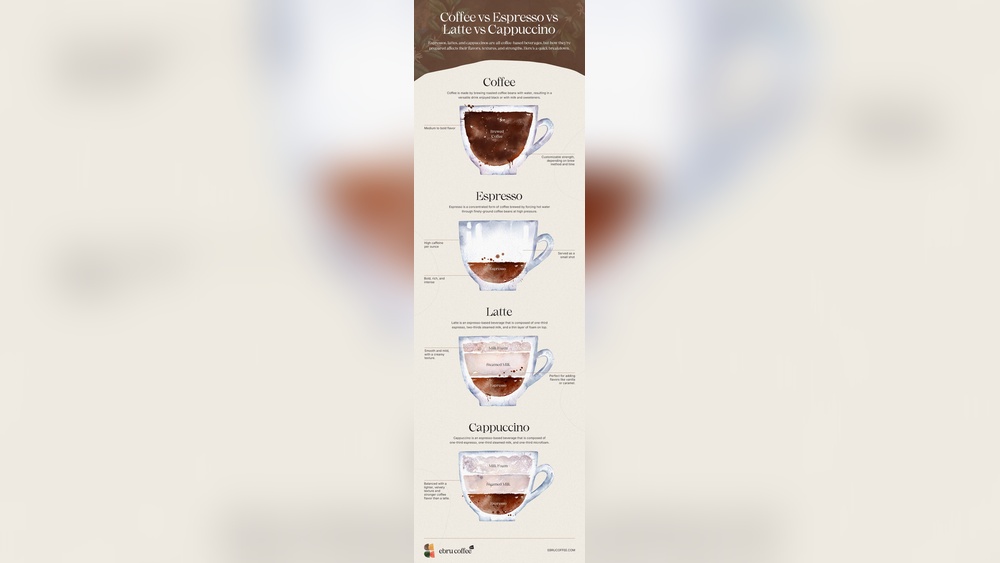
Espresso Vs Coffee: Understanding The Real Differences
Coffee is more than just a drink. For millions, it is a daily ritual, a way to start the morning, or a quiet moment during a busy day. But when you walk into a café, you might face a big question: espresso vs coffee -which should you choose? Many people think espresso is just a strong type of coffee or that coffee and espresso are the same. But the truth is more complex and interesting. Knowing the differences can help you enjoy your cup even more and maybe discover a new favorite.
This guide will take you deep into how espresso and coffee are made, their unique tastes, caffeine levels, cultural roles, and even health effects. We will also clear up common myths and give you expert tips for brewing both at home.
Whether you are a beginner or a long-time coffee lover, you will find fresh, practical insights that go beyond the basics. By the end, you’ll understand why this debate matters and how to choose the right drink for any moment.
What Is Coffee? Basics And Origins
Coffee is a drink made from the roasted seeds of the Coffea plant. Its history goes back over a thousand years. The story begins in Ethiopia, where people first used coffee beans for their energizing effects. Coffee spread from Africa to the Middle East, then to Europe and the rest of the world. Today, coffee is grown in over 70 countries, mostly in the “coffee belt” near the equator.
There are two main types of coffee beans:
- Arabica – Known for a smooth, mild taste. Makes up about 60% of all coffee.
- Robusta – Has a stronger, more bitter flavor. Contains more caffeine.
Most people make coffee by steeping ground beans in hot water. The method, grind size, and water temperature all affect the taste. Popular brewing styles include drip coffee, French press, pour-over, and cold brew.
Coffee’s global popularity is huge. According to the International Coffee Organization, over 2. 25 billion cups are consumed every day worldwide.
What Is Espresso? Method, History, And Culture
Espresso is a special way to make coffee. It started in Italy in the early 1900s. Unlike regular coffee, espresso uses high pressure to force hot water through very fine coffee grounds. This makes a small, concentrated shot with a bold, rich flavor and a layer of foam called crema.
The first espresso machine was invented by Luigi Bezzera in 1901. Espresso quickly became part of Italian culture and then spread globally. Today, espresso is the base for many café drinks, such as cappuccino, latte, macchiato, and americano.
Espresso is not a type of bean or roast -it’s a brewing method. You can use almost any coffee bean to how to make espresso at home, but the grind must be very fine, almost like powder. An espresso shot is usually 1 ounce (about 30 ml) and takes 25-30 seconds to brew.
Brewing Methods: How Espresso And Coffee Are Made
The key differences between espresso and coffee come from how they are brewed. Let’s look at the main steps and tools for each.
Brewing Regular Coffee
Most common methods:
- Drip Coffee Maker: Water drips through a filter with medium-ground coffee. Makes several cups at once.
- French Press: Coffee grounds steep in hot water, then are separated by pressing a plunger.
- Pour-Over: Hot water is poured slowly over coffee in a cone-shaped filter.
- Cold Brew: Coffee grounds soak in cold water for 12-24 hours.
Brewing time varies:
- Drip: 4-8 minutes
- French Press: 4 minutes
- Pour-Over: 2-4 minutes
- Cold Brew: 12+ hours
Grind size: Ranges from coarse (French press) to medium (drip, pour-over).
Brewing Espresso
Espresso requires special equipment:
- Espresso Machine: Uses 9 bars (130 psi) of pressure to push hot water through fine grounds.
- Portafilter: Holds the coffee during brewing.
- Tamper: Used to press the grounds tightly.
Steps:
- Grind coffee beans to a fine powder.
- Dose (usually 7-9 grams for a single shot).
- Tamp the grounds evenly and firmly.
- Brew under high pressure for 25-30 seconds.
- Serve immediately.
Espresso is usually 1 ounce (30 ml) for a single shot, 2 ounces (60 ml) for a double.
Visual Comparison
Here is a side-by-side look at the main brewing differences:
| Feature | Regular Coffee | Espresso |
|---|---|---|
| Grind Size | Coarse to medium | Very fine |
| Water Temperature | 195-205°F (90-96°C) | 190-205°F (88-96°C) |
| Pressure | Gravity only | 9 bars (130 psi) |
| Brewing Time | 2-8 min (except cold brew) | 25-30 sec |
| Serving Size | 8-12 oz (240-350 ml) | 1-2 oz (30-60 ml) |
Taste And Flavor: What Sets Them Apart
The biggest difference you’ll notice between espresso and coffee is the taste. Here’s how they compare:
Espresso
- Rich and Intense: Flavors are concentrated, with strong notes of caramel, chocolate, or even fruit.
- Thick Body: Feels creamy and heavy, even without milk.
- Crema: A golden foam on top, created by pressure. Adds a slightly bitter, sweet taste.
- Bitterness: More bitter than most regular coffee, but also more complex.
Regular Coffee
- Lighter and Milder: Flavors are clearer, sometimes nutty or floral.
- Thin Body: Feels lighter and more watery than espresso.
- No Crema: Only a bit of foam, if any.
- Less Bitter: Usually smoother and easier to drink in large amounts.
Why The Difference?
The high pressure of espresso extracts more oils and fine particles, giving it a thicker texture and bold flavor. Regular coffee, brewed slowly, brings out lighter, more subtle notes.
Non-obvious Insight
Many beginners think espresso is always “stronger” in flavor, but sometimes regular coffee can taste just as bold if made with dark roasted beans. The real difference is not just strength, but the depth and balance of flavors.
Caffeine Content: Myths And Facts
Many people believe espresso has more caffeine than regular coffee. The truth is more nuanced.
How Much Caffeine?
- Espresso: 1 ounce shot has about 63 mg of caffeine.
- Regular Coffee: 8 ounce cup has about 95 mg of caffeine.
So, ounce-for-ounce, espresso is stronger. But a typical cup of coffee is much larger, so you get more total caffeine from one cup of regular coffee.
Here’s a helpful comparison:
| Beverage | Serving Size | Caffeine (mg) |
|---|---|---|
| Espresso | 1 oz (30 ml) | 63 |
| Espresso (double) | 2 oz (60 ml) | 125 |
| Drip Coffee | 8 oz (240 ml) | 95 |
| Cold Brew | 8 oz (240 ml) | 100-200 |
What Affects Caffeine Level?
- Bean Type: Robusta beans have more caffeine than Arabica.
- Roast Level: Lighter roasts keep more caffeine.
- Brewing Time: Longer brewing extracts more caffeine.
Non-obvious Insight
Some people drink espresso because they want a quick caffeine boost, but sipping a big mug of coffee may give you more caffeine overall. Also, best cold brew coffee beans often has more caffeine than both, because it uses more coffee grounds.
Equipment And Cost: What You Need And What It Costs
Getting started with espresso or coffee at home requires different gear and budgets.
Espresso Equipment
To make real espresso, you need:
- Espresso machine: $100 (manual) to $3,000+ (professional)
- Burr grinder: $100-$500 (for fine, even grind)
- Tamper: $10-$50
- Scale: $10-$30 (for accuracy)
Optional:
- Milk frother or steam wand (for lattes, cappuccinos)
Coffee Equipment
For regular coffee:
- Drip coffee maker: $20-$200
- French press: $15-$50
- Pour-over cone: $10-$40
- Coffee grinder: $20-$200 (burr or blade)
Optional:
- Kettle with temperature control
- Filters
Cost Comparison
Espresso setup costs much more at first. But per cup, both are similar if you brew at home. Café espresso drinks are usually pricier because of the skill and equipment involved.
Popular Drinks: Espresso And Coffee-based Beverages
Both espresso and coffee are the base for many different drinks. Here are some favorites from around the world:
Espresso-based Drinks
- Single/Double Espresso – Pure, concentrated coffee shot.
- Americano – Espresso with hot water added (tastes like regular coffee, but with espresso’s depth).
- Latte – Espresso with steamed milk and a bit of foam.
- Cappuccino – Equal parts espresso, steamed milk, and foam.
- Macchiato – Espresso “stained” with a small amount of milk.
- Mocha – Espresso with chocolate syrup and steamed milk.
- Flat White – Similar to a latte, but with less milk and more microfoam.
- Ristretto – A shorter, even more concentrated espresso shot.
- Affogato – Espresso poured over a scoop of vanilla ice cream.
Coffee-based Drinks
- Black Coffee – Just brewed coffee, no milk or sugar.
- Café au Lait – Half coffee, half steamed milk.
- Iced Coffee – Regular coffee served over ice.
- Cold Brew – Coffee grounds steeped in cold water, then served chilled.
- Irish Coffee – Coffee mixed with Irish whiskey and cream.
- Turkish Coffee – Finely ground coffee simmered with water and sugar (unfiltered).
- Café Cubano – Strong Cuban-style coffee, sweetened with sugar during brewing.
Cultural Insight
In Italy, espresso is enjoyed quickly at the bar, often standing up. In the United States and many other countries, coffee is sipped slowly, often while reading or working.
Health Effects: Benefits And Risks
Both espresso and coffee have effects on your health. Many studies suggest that drinking coffee can have positive effects, but there are also risks.
Benefits
- Mental Alertness: Caffeine boosts focus, memory, and mood.
- Antioxidants: Coffee is high in antioxidants, which help fight cell damage.
- Reduced Disease Risk: Studies link regular coffee drinking with lower risk of Parkinson’s, type 2 diabetes, and some cancers.
Risks
- Insomnia: Too much caffeine can disturb sleep.
- Anxiety: High doses increase heart rate and nervousness.
- Stomach Issues: Some people find espresso more acidic and harsh on the stomach.
How Much Is Safe?
Most health experts agree that up to 400 mg of caffeine per day is safe for most adults. That’s about 4-5 cups of coffee or 6 single espressos.
Non-obvious Insight
Some people worry that espresso is “unhealthy” because it is so strong. But, cup for cup, both espresso and regular coffee have similar health effects. The main risk comes from drinking too much or adding lots of sugar and cream.
Espresso Vs Coffee: At A Glance
To help you quickly compare, here’s a summary of the main points:
| Aspect | Espresso | Regular Coffee |
|---|---|---|
| Origin | Italy, early 1900s | Ethiopia, ancient times |
| Brewing Method | High-pressure extraction | Gravity or steeping |
| Grind Size | Very fine | Medium/coarse |
| Serving Size | 1-2 oz | 8-12 oz |
| Caffeine (per serving) | 63-125 mg | 95-200 mg |
| Flavor | Bold, concentrated | Mild, clear |
| Crema | Yes | No |
| Cost (setup) | High | Low to medium |
| Common Uses | Shots, lattes, cappuccinos | Drip, French press, iced coffee |
Which Is Stronger? Understanding “strength” In Coffee
“Strength” in coffee is confusing. It can mean:
- Caffeine content (how much caffeine per ounce)
- Taste intensity (how bold or bitter)
- Body (how thick or watery it feels)
Espresso
- Caffeine per ounce: Highest
- Taste: Most intense, with bold flavors and thick texture
Regular Coffee
- Caffeine per cup: Usually more than a single espresso shot
- Taste: Milder, but can be strong if dark roasted
Expert Tip
If you want a quick, strong-tasting drink, choose espresso. If you want more total caffeine or a gentle flavor, choose a big cup of regular coffee.
The Role Of Milk And Sweeteners
How you add milk and sugar changes both drinks a lot.
Espresso Drinks
Espresso is the base for many milk-based drinks:
- Latte: Mostly milk, softens espresso’s bite.
- Cappuccino: Equal parts milk and foam.
- Macchiato: Just a touch of milk.
Adding milk makes espresso smoother and less bitter. Sweeteners or flavored syrups are also common.
Regular Coffee
Milk and sugar are often added to regular coffee. They cut bitterness and add creaminess. But with lighter roasted coffees, adding too much milk can hide the delicate flavors.
Non-obvious Insight
Baristas say the kind of milk (whole, skim, oat, soy) affects texture and taste. Whole milk gives the creamiest foam. Non-dairy milks can work, but may change the flavor balance.
Home Brewing: Tips For Espresso And Coffee
If you want to brew at home, here are some tips that go beyond the basics:
For Espresso
- Fresh Beans: Use beans roasted within 2-3 weeks for best crema and flavor.
- Even Tamping: Press grounds evenly to avoid weak or bitter shots.
- Dial In Grind: Too coarse -espresso is watery. Too fine -over-extracted and bitter.
- Warm Your Cup: Espresso cools fast; a warm cup keeps flavors at their best.
- Clean Machine Often: Oils build up and affect taste.
For Regular Coffee
- Water Quality: Use filtered water. Bad water = bad coffee, no matter how good the beans.
- Correct Ratio: 1-2 tablespoons of coffee per 6 ounces of water is standard, but adjust to taste.
- Grind Just Before Brewing: Freshly ground coffee tastes much better.
- Don’t Overheat: Brewing above 205°F can make coffee taste bitter.
- Experiment: Try different beans, grind sizes, and methods until you find your favorite.
Non-obvious Insight
Many home brewers forget to measure their water temperature and coffee weight. Small changes can make a big difference. Using a kitchen scale and thermometer can upgrade your results, even with cheap equipment.
Environmental Impact: Sustainability Of Espresso And Coffee
Coffee farming and brewing can have big effects on the environment.
Coffee Farming
- Land Use: Coffee farms can lead to deforestation.
- Water Use: Processing beans requires a lot of water.
- Chemicals: Some farms use pesticides and fertilizers that harm wildlife.
Espresso Vs Regular Coffee
Espresso uses less water per serving, but brewing requires more energy because of the high pressure and heat. Regular coffee uses more water, especially for cold brew.
Tips For Lower Impact
- Buy shade-grown or organic coffee.
- Choose reusable filters and cups.
- Clean machines with eco-friendly products.
- Support brands with fair trade and sustainability labels.
Expert Note
Some studies suggest espresso is more efficient per cup because less coffee is wasted. But both methods can be sustainable if you make smart choices.
Cultural Differences: Espresso And Coffee Around The World
How people drink coffee or espresso varies greatly by country and culture.
Italy
Espresso is king. Most Italians drink a quick espresso shot, often while standing at the café bar. Milk drinks (like cappuccino) are usually only enjoyed in the morning.
United States
Drip coffee is most common, often in large mugs. Espresso drinks are popular in cities, especially in specialty coffee shops.
France
Café au lait (coffee with hot milk) is a breakfast favorite. Espresso is also popular, especially after meals.
Latin America
Coffee is usually sweetened, sometimes brewed very strong (like café Cubano in Cuba or café tinto in Colombia).
Middle East
Coffee is often spiced (with cardamom) and served in small cups. Turkish coffee is unfiltered and thick.
Asia
Espresso-based drinks are growing fast, especially in urban areas. Unique drinks like Vietnamese egg coffee or Japanese iced coffee are becoming more popular.
Non-obvious Insight
In some countries, coffee is a sign of hospitality. For example, in Ethiopia, a coffee ceremony can last hours and is an important social event.
Common Myths And Mistakes
There are many myths about espresso and coffee. Here are some to watch out for:
- Espresso Beans Are Special: False. Any coffee bean can be used for espresso; “espresso roast” is just a marketing term.
- Espresso Has More Caffeine: Per ounce, yes. But a full cup of coffee usually has more caffeine.
- Espresso Is Always Bitter: A well-made espresso is balanced, not just bitter.
- Dark Roast Means Stronger Coffee: Actually, lighter roasts have more caffeine.
- More Coffee Grounds = Stronger Flavor: Only to a point. Too much coffee can lead to over-extraction and bitterness.
Expert Tip
If your espresso tastes sour, the water may be too cold or the shot too short. If it’s bitter, the grind may be too fine or the shot too long.
Choosing Between Espresso And Coffee: What Matters Most
When deciding between espresso and coffee, think about these factors:
- Flavor Preference: Like bold, rich, intense? Go for espresso. Prefer mild and smooth? Try regular coffee.
- Time: Espresso is quick to drink; regular coffee is for sipping.
- Caffeine Needs: For a fast hit, espresso. For longer energy, regular coffee.
- Equipment: Espresso needs more gear and skill.
- Social Setting: Espresso is common for short breaks. Coffee is for long chats or work sessions.
- Budget: Coffee is cheaper to start at home.
Non-obvious Insight
Many people end up enjoying both. For example, espresso in the morning for energy, and a cup of regular coffee in the afternoon to relax.
The Future Of Espresso And Coffee
Coffee culture is always changing. Some trends to watch:
- Specialty Coffee: Focus on single-origin beans, careful brewing, and unique flavors.
- Home Espresso Machines: More people are investing in high-end gear.
- Alternative Milks: Oat, almond, and soy milks are becoming more popular, especially with espresso drinks.
- Cold Coffee: Cold brew and iced espresso drinks are rising fast.
- Sustainability: Growing demand for fair trade, organic, and eco-friendly coffee.
According to the National Coffee Association, 62% of Americans drink coffee daily, and specialty coffee drinks (like espresso-based lattes) are especially popular among younger people.
For those who want to dive even deeper, the Wikipedia guide to coffee preparation gives a detailed look at brewing methods and history.
Frequently Asked Questions
What Is The Main Difference Between Espresso And Regular Coffee?
The biggest difference is in the brewing method. Espresso is made by forcing hot water under high pressure through very fine coffee grounds, creating a small, strong shot with crema. Regular coffee is brewed more slowly, using methods like drip, pour-over, or French press, and is served in larger cups with a milder flavor.
Does Espresso Have More Caffeine Than Coffee?
Ounce for ounce, espresso has more caffeine. But a standard cup of regular coffee (8 oz) contains more total caffeine than a single espresso shot (1 oz). So, if you drink a full cup, you get more caffeine from regular coffee.
Can I Make Espresso With A Regular Coffee Maker?
No, you need an espresso machine to make true espresso because it requires high pressure. Some stovetop devices (like moka pots) make strong coffee but not real espresso with crema.
Is Espresso Healthier Than Regular Coffee?
Both drinks have similar health benefits and risks. The main difference is in serving size and how much you drink. Adding lots of sugar or cream can reduce the health benefits of either drink.
Why Does Espresso Taste Different Than Coffee?
Espresso tastes stronger and richer because it is brewed under high pressure, extracting more flavors, oils, and fine particles. Regular coffee tastes lighter and clearer, with more subtle flavors, because it is brewed more slowly with less pressure.
Final Thoughts
The debate between espresso and coffee is not just about which is stronger or better. It is about personal taste, culture, and how you like to enjoy your daily cup. Espresso offers quick, bold flavor in a small package, while regular coffee is smooth and perfect for sipping. Both have rich histories, unique brewing methods, and passionate fans.
Understanding the real differences helps you make better choices and get more from every cup. Whether you love the ritual of brewing a French press or the thrill of pulling a perfect espresso shot, the most important thing is to enjoy the journey -and keep exploring new flavors, methods, and experiences.
Both espresso and coffee have a place in the world, and in your cup.