
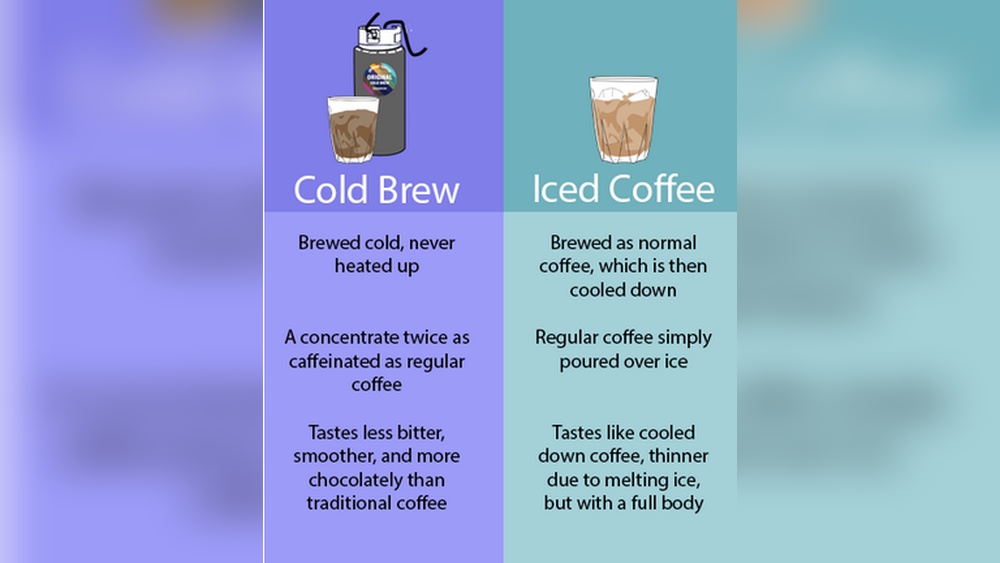
Cold Brew Vs Iced Coffee: The Ultimate Comparison Guide
Coffee is more than a drink -it’s a daily ritual for millions. When temperatures rise, two refreshing options dominate menus and conversations: cold brew and iced coffee. While they may look similar in your glass, their flavors, strengths, and brewing methods set them worlds apart. If you’ve ever wondered about the real differences, which is stronger, or which one suits your taste, you’re in the right place.
In this guide, you’ll discover everything you need to know about best cold brew coffee beans and iced coffee. You’ll learn how each is made, how they taste, their caffeine content, and even how to prepare them at home. We’ll clear up common myths, share practical tips, and help you confidently choose your next cold coffee.
What Is Cold Brew?
Cold brew is a coffee made by steeping coarse coffee grounds in cold or room-temperature water for a long period, usually 12-24 hours. This method creates a smooth, low-acid drink, often served over ice.
The Cold Brew Process
Unlike hot coffee, cold brew skips heat entirely. Here’s how it works:
- Coarse coffee grounds (usually a medium or dark roast) are mixed with cold water.
- The mixture sits and steeps for 12 to 24 hours.
- After steeping, the coffee is filtered to remove grounds.
- The result is a concentrated cold brew, which can be diluted with water, milk, or served as is.
This slow extraction pulls out flavor compounds without the bitterness that hot water can bring. Many people describe cold brew as chocolatey, smooth, and naturally sweet.
Key Facts About Cold Brew
- Brewing time: 12 -24 hours
- Temperature: Cold or room temperature
- Taste: Smooth, less acidic, sometimes chocolatey or nutty
- Strength: Usually more concentrated than iced coffee
- Storage: Lasts up to 2 weeks refrigerated
What Is Iced Coffee?
Iced coffee is regular hot-brewed coffee that is cooled and then poured over ice. The brewing methods can vary, but heat is always involved at some point.
How Iced Coffee Is Made
Here’s a simple breakdown:
- Brew coffee using your favorite hot method (drip, pour-over, French press).
- Let it cool to room temperature or chill in the fridge.
- Pour over ice to serve.
Some coffee shops brew double-strength coffee to balance the dilution caused by melting ice. Others use a “Japanese iced coffee” method, where hot coffee drips directly onto ice, locking in aromas and flavors.
Characteristics Of Iced Coffee
- Brewing time: 5 -10 minutes (plus cooling)
- Temperature: Brewed hot, served cold
- Taste: Brighter, sometimes more acidic, with a familiar coffee profile
- Strength: Usually less concentrated than cold brew
- Storage: Best consumed within a day
Cold Brew Vs Iced Coffee: Key Differences
It’s easy to assume these drinks are interchangeable, but the differences go deeper than just temperature. Understanding these can help you pick your perfect cup.
| Aspect | Cold Brew | Iced Coffee |
|---|---|---|
| Brewing Method | Steeped in cold water for 12 -24 hours | Brewed hot, then cooled over ice |
| Flavor Profile | Smooth, less acidic, chocolatey | Brighter, more acidic, classic coffee taste |
| Caffeine Content | Often higher (concentrated) | Usually lower (diluted) |
| Serving Style | Usually diluted, often with milk | Served straight over ice |
| Storage | Up to 2 weeks | 1 day max |
Brewing Method
The main difference is the brewing method. Cold brew takes patience, needing up to a full day to extract coffee’s flavors gently. Iced coffee is quick -ready in minutes if you have hot coffee prepared. This impacts every aspect of the drink.
Taste And Acidity
Cold brew’s long, cold soak pulls fewer acids and bitter compounds. The result is a mellow, smooth cup with hints of chocolate or caramel. Iced coffee, however, has the sharper, brighter notes you expect from hot coffee. Some people find iced coffee too acidic, while others love the boldness.
Caffeine Content
Many believe cold brew is always stronger. The truth is, it depends. Cold brew concentrate can have up to twice the caffeine of iced coffee, but most people dilute it before drinking. Iced coffee’s caffeine depends on the beans and brew method, but it’s usually less potent per ounce.
Storage And Freshness
Cold brew’s low acidity means it keeps well -up to two weeks in the fridge. Iced coffee loses its flavor after a few hours and should be consumed the same day. This makes cold brew a favorite for batch preparation.
Flavor: How Do They Taste?
Flavor is often the deciding factor. Cold brew and iced coffee have unique taste profiles, even with the same beans.
Cold Brew Flavor
Cold brew is prized for its smoothness. The absence of heat means less bitterness and acidity. Many describe cold brew as:
- Silky and mellow
- Hints of chocolate, caramel, or nuts
- Naturally sweeter (no added sugar needed for some)
Even strong, dark roasts taste gentle when brewed cold.
Iced Coffee Flavor
Iced coffee keeps the classic taste of hot coffee but serves it cold. Expect:
- Brighter, tangy notes
- Pronounced acidity
- Crisp, refreshing feel
Some beans can taste slightly sour when cooled, which not everyone likes. If you enjoy the complexity and aroma of hot coffee, iced coffee preserves these qualities.
Why The Difference?
Heat extracts acids and oils quickly. Cold extraction is slower and less efficient at pulling these out. This scientific difference is why cold brew tastes less sharp and more rounded.
Caffeine Showdown: Which Is Stronger?
Caffeine is the kick coffee lovers crave. The answer to which is stronger is more complex than it seems.
Caffeine In Cold Brew
Cold brew is typically made as a concentrate, which is diluted before serving. Per ounce, concentrate can have 200 mg of caffeine or more. Once diluted, a typical serving (12 oz) contains 150 -200 mg.
Caffeine In Iced Coffee
A 12 oz glass of iced coffee usually contains 90 -120 mg of caffeine. This depends on brew strength and beans.
Why The Confusion?
People often compare undiluted cold brew concentrate to regular iced coffee, how to make cold brew at home seem much stronger. But when both are ready to drink, the caffeine levels are closer.
Factors That Affect Caffeine
- Bean type: Robusta has more caffeine than Arabica.
- Grind size: Finer grounds extract more caffeine.
- Ratio: More coffee per water means more caffeine.
If you want the strongest drink, ask if you’re getting concentrate or diluted cold brew.
Health Impacts: Acidity And Digestion
Coffee’s acidity can irritate some stomachs. This is where cold brew shines.
Cold Brew: Low Acid Choice
The cold brewing process extracts fewer acids, making cold brew:
- Gentler on sensitive stomachs
- Less likely to cause acid reflux
- Smoother for people with digestive issues
Studies show cold brew can be up to 60% less acidic than hot-brewed coffee.
Iced Coffee: Standard Acidity
Iced coffee’s acidity matches hot coffee, which can be problematic for some people. If you have acid reflux, cold brew is often a safer choice.
Sweetness And Calories
Cold brew’s natural sweetness means you might need less sugar or cream. This can lower calories compared to iced coffee, where people often add sweeteners to balance the acidity.
Home Brewing: How To Make Cold Brew
Many people are surprised by how easy cold brew is to make at home. You don’t need special gear -just time and patience.
Ingredients
- 1 cup coarse coffee grounds
- 4 cups cold or room temperature water
Equipment
- Large jar or pitcher
- Fine mesh strainer or cheesecloth
Steps
- Combine coffee grounds and water in a jar.
- Stir well to make sure all grounds are wet.
- Cover and let sit at room temperature or in the fridge for 12 -24 hours.
- Strain through a fine mesh sieve or cheesecloth into a clean container.
- Store concentrate in the fridge for up to 2 weeks.
To serve, dilute 1 part concentrate with 1 -2 parts water, milk, or a milk alternative. Add ice and enjoy.
Tips For Better Cold Brew
- Use coarse grounds to avoid bitterness.
- Try a medium or dark roast for a richer flavor.
- Don’t steep too long -over 24 hours can make the coffee taste woody.
Home Brewing: How To Make Iced Coffee
Iced coffee is even faster if you have hot coffee ready.
Ingredients
- 1 cup hot-brewed coffee (double strength)
- Ice cubes
- Sweetener or milk (optional)
Steps
- Brew coffee at double the usual strength.
- Cool in the fridge or by pouring into a heat-proof cup with ice.
- Serve over fresh ice. Add sweetener or milk if you like.
The Japanese Iced Coffee Method
This method is popular for preserving fresh flavors:
- Place ice in your coffee carafe.
- Brew hot coffee directly onto the ice.
- Swirl to chill and serve immediately.
Tips For Better Iced Coffee
- Use freshly roasted beans for the best taste.
- Avoid letting coffee sit out for hours; it can taste stale.
- Try adding citrus peel or spices for a twist.
Equipment Comparison: What You Need
Some coffee fans love gadgets, but you can make both drinks with basic tools. Here’s a side-by-side look at what helps.
| Equipment | Cold Brew | Iced Coffee |
|---|---|---|
| Coffee Grinder | Coarse setting preferred | Any setting based on brew method |
| Brewer | Jar, pitcher, or cold brew maker | Drip, pour-over, or French press |
| Filter | Fine mesh or cheesecloth | Paper, metal, or cloth filter |
| Time Required | 12 -24 hours | 5 -10 minutes (plus cooling) |
Non-obvious Insights
- Cold brew makers are not necessary -a simple jar and strainer work just as well.
- For iced coffee, investing in quality ice (filtered water or clear cubes) prevents off-flavors.
Cost And Convenience
How do cold brew and iced coffee compare in terms of price and effort, both at home and in coffee shops?
At Home
- Cold brew requires more coffee per cup (higher ratio), so the upfront bean cost is higher. But, it can be made in large batches and stored for days.
- Iced coffee uses less coffee and is ready in minutes, but can taste stale if not consumed quickly.
At Cafés
- Cold brew usually costs more -sometimes up to $1 more per cup -because of the higher coffee-to-water ratio and long steeping time.
- Iced coffee is cheaper and faster to make, so it’s often the more budget-friendly choice.
Practical Advice
If you drink cold coffee daily, making cold brew at home saves money over time. For an occasional treat, iced coffee is more cost-effective.
Environmental Impact
Coffee production has a carbon footprint, but the brewing method matters too.
Water And Energy Use
- Cold brew uses more coffee grounds but less energy (no heating required).
- Iced coffee uses less coffee but requires hot water (energy for boiling) and ice production.
Waste
- Both methods create used grounds, which can be composted.
- Cold brew concentrate means fewer single-use cups if stored in bulk.
Sustainability Tip
Compost your used grounds, and use a reusable filter to cut waste for both methods.
Popular Variations And Add-ins
Both drinks are blank canvases for flavor. Here are some favorites and how they work with each style.
Cold Brew Twists
- Nitro cold brew: Infused with nitrogen gas for a creamy, beer-like texture.
- Vanilla or caramel syrup: Highlights the drink’s natural sweetness.
- Oat or almond milk: Complements the smooth profile.
Iced Coffee Upgrades
- Vietnamese iced coffee: Made with sweetened condensed milk for a rich treat.
- Citrus iced coffee: Adds lemon or orange peel for brightness.
- Cinnamon or cardamom: Gives spicy warmth.
What Works Best?
Cold brew’s smoothness pairs well with creamy, sweet flavors. Iced coffee’s acidity can cut through sweetness, making it ideal for citrus or spice.
Which Is Healthier?
The healthiest choice depends on your needs and what you add.
Calories And Sugar
- Cold brew is naturally sweeter, so many people add less sugar or cream.
- Iced coffee often gets more sweetener to balance acidity.
Antioxidants
Hot brewing methods (like iced coffee) extract more antioxidants, which are good for health. Cold brew is lower in some antioxidants, but the difference is small if you eat a balanced diet.
Digestion
Cold brew is gentler for sensitive stomachs due to its lower acidity.
Caffeine Sensitivity
If you’re sensitive to caffeine, start with iced coffee or dilute your cold brew.
The Science Behind Flavor
The difference in taste isn’t just about cold vs. hot -it’s about chemistry.
Extraction Science
- Cold water extracts fewer acids and oils but pulls out more sugar-like compounds.
- Hot water extracts flavors rapidly, including acids and oils, which add brightness and bitterness.
Why It Matters
This is why cold brew is smoother and less acidic, while iced coffee has the familiar coffee “punch. ”
Not-so-obvious Insight
Cold brew’s lower extraction of oils means it’s less likely to leave a film on your tongue, making it feel cleaner.
Common Myths And Misconceptions
Let’s clear up some popular misunderstandings.
- Myth: Cold brew always has more caffeine.
- Truth: It depends on dilution. Ready-to-drink cold brew can be similar to or just a little stronger than iced coffee.
- Myth: Iced coffee is just coffee with ice.
- Truth: Quality iced coffee uses double-strength brew or the Japanese method to avoid watery results.
- Myth: Cold brew is less flavorful.
- Truth: It’s less acidic, but many people find it richer and more complex.
- Myth: You need special equipment for cold brew.
- Truth: Any large container and a strainer will do.
When To Choose Cold Brew Or Iced Coffee
Your ideal choice depends on what you value most in your coffee.
Choose Cold Brew If:
- You want a smooth, low-acid drink.
- You prefer less bitterness and a chocolatey profile.
- You like to prepare in advance and store coffee for days.
- You want to drink it with milk or sweet flavors.
Choose Iced Coffee If:
- You enjoy a brighter, more aromatic cup.
- You want classic coffee taste, just cold.
- You prefer to make coffee quickly.
- You like experimenting with citrus or spice.
Real-world Examples: Cafés And Brands
Many major coffee chains offer both drinks, but recipes can differ.
- Starbucks: Offers both cold brew and iced coffee; their cold brew is steeped for 20 hours.
- Dunkin’: Cold brew is marketed as smoother and bolder; iced coffee is brewed hot and cooled.
- Local cafés: Some use unique bean blends or origins for each style.
Specialty Brands
Brands like Stumptown and Blue Bottle have popularized ready-to-drink cold brew in bottles, available in many grocery stores.
At-home Options
You can now buy cold brew concentrate or pre-brewed iced coffee at most supermarkets. Check the ingredients -some have added sugar or flavors.
Cold Brew Vs Iced Coffee: Quick Comparison Chart
Here’s a handy side-by-side look for quick reference.
| Feature | Cold Brew | Iced Coffee |
|---|---|---|
| Time to Make | 12 -24 hours | 10 -15 minutes |
| Flavor | Smooth, low-acid, sweet | Bright, acidic, classic |
| Caffeine (per 12 oz) | 150 -200 mg | 90 -120 mg |
| Shelf Life | Up to 2 weeks | Up to 1 day |
| Best For | Batch prep, low-acid diets | Quick drinks, bold flavors |
Cold Brew And Iced Coffee Around The World
Cold coffee drinks are enjoyed globally, but each country puts its own spin on them.
United States
Cold brew has become a staple at coffee shops and is often marketed as a premium drink. Iced coffee is popular during summer.
Japan
The “Japanese iced coffee” method uses pour-over coffee brewed directly onto ice. This preserves delicate aromas and is growing in popularity worldwide.
Vietnam
Vietnamese iced coffee (cà phê sữa đá) uses strong drip-brewed coffee with sweetened condensed milk poured over ice. This is often closer to iced coffee in method.
Australia
Iced coffee here can mean a sweet, milky drink sometimes topped with ice cream.
Europe
Cafés offer both styles, but iced coffee often includes gelato or whipped cream.
Not-so-obvious Insight
Cold brew is still newer outside the US, but its low-acid, smooth profile is winning fans in Asia and Europe.
Cold Brew Vs Iced Coffee: Which Is Right For You?
Choosing between cold brew and iced coffee is personal. If you like a smooth, rich, and low-acid drink, cold brew is the answer. If you love a bold, aromatic, and refreshing cup, iced coffee is your friend.
Try both methods at home or your local café. Notice how different beans, grind sizes, and brew times change the taste. There’s no wrong choice -just what you enjoy most.
For more technical details and deeper reading, you might check out this Wikipedia article on cold brew coffee.
Frequently Asked Questions
What Is The Main Difference Between Cold Brew And Iced Coffee?
The main difference is how they’re made. Cold brew is brewed with cold water for 12 -24 hours, while iced coffee is brewed hot and then cooled over ice. This changes the flavor, acidity, and strength of the drinks.
Does Cold Brew Have More Caffeine Than Iced Coffee?
Cold brew can have more caffeine per ounce if served as a concentrate. But when both are diluted and served, the caffeine levels can be similar. Always ask if you’re getting concentrate or ready-to-drink cold brew.
Which Is Better For People With Sensitive Stomachs?
Cold brew is better for sensitive stomachs because it’s lower in acid. The long, cold steeping process extracts fewer acids and bitter compounds.
Can I Make Cold Brew Or Iced Coffee Without Special Equipment?
Yes. To make cold brew, you only need a jar and a fine strainer. For iced coffee, any hot brewing method (like drip or pour-over) works, plus ice.
How Long Does Cold Brew Last In The Fridge?
Cold brew concentrate lasts up to 2 weeks in the fridge if stored in a sealed container. Iced coffee, however, should be consumed within a day for best taste.
Cold brew and iced coffee both offer unique experiences for coffee lovers. By understanding their differences, you can pick the perfect drink for any occasion. Whether you need a gentle morning start or a bright afternoon pick-me-up, there’s a cold coffee style waiting for you.