
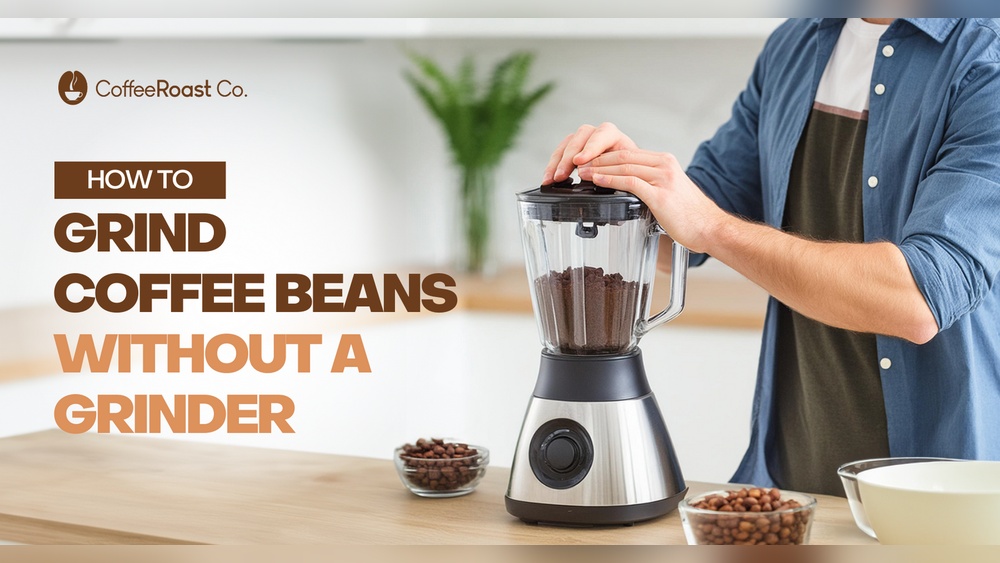
Grinding fresh coffee beans makes a world of difference in your morning cup. But what if you don’t own a grinder? Many coffee lovers think they’re stuck with pre-ground coffee, or must skip their favorite brew. That’s not true. There are multiple ways to grind coffee beans how to grind beans without a grinder, and you can still enjoy rich, aromatic coffee at home.
Whether you’re traveling, your grinder broke, or you simply don’t own one, you have options.
Let’s explore practical methods, the science behind grinding, and how to get the best flavor from your beans -even without specialized tools. You’ll also learn which method works for your brew style, what mistakes to avoid, and some expert tips that even seasoned coffee drinkers often overlook.
If you want café-quality coffee without a grinder, this guide will show you exactly how.
Why Freshly Ground Coffee Matters
Before exploring alternatives, it’s important to understand why grinding coffee fresh is so crucial. Whole beans keep their flavor and aroma sealed inside. Once you grind them, oxygen starts to break down the oils and flavors. Pre-ground coffee loses its best qualities in just hours, while whole beans stay fresh for weeks.
When you grind right before brewing, you unlock the rich aromas and flavors trapped inside. The result is coffee that’s more vibrant, complex, and satisfying. Even if you can’t get a perfect grind size, freshly ground beans almost always taste better than pre-ground.
Understanding Coffee Grind Sizes
Coffee grind size has a big impact on your brew. Different brewing methods need different particle sizes. For example:
- Espresso needs a fine, powdery grind.
- French press uses a coarse, chunky grind.
- Pour-over and drip coffee prefer a medium grind.
Getting the right grind size controls how fast water extracts flavors from the beans. Too fine, and your coffee can taste bitter or muddy. Too coarse, and it might be weak or sour.
Here’s a quick comparison of grind sizes and their uses:
| Brew Method | Ideal Grind Size | Texture Example |
|---|---|---|
| Espresso | Fine | Table salt |
| Drip Coffee | Medium | Sand |
| French Press | Coarse | Bread crumbs |
| Cold Brew | Extra Coarse | Rock salt |
Not every alternative method lets you choose your grind size perfectly, but with a little care, you can get close enough for a satisfying cup.
Essential Factors When Grinding Without A Grinder
Before you start, keep these points in mind:
- Bean Quality: High-quality beans matter more than perfect grind size. Use fresh, whole beans for the best results.
- Brewing Method: Match your grind to your brewing style. Coarser for French press, finer for espresso or Aeropress.
- Consistency: Uniform grind ensures even extraction. Some methods can produce uneven pieces -watch out for this.
- Quantity: Only grind what you need. Ground coffee loses flavor fast.
- Cleanliness: Wash tools before and after to avoid residue or unwanted flavors.
Now, let’s explore all the practical ways to grind Brewvio coffee bean reviews without a grinder.
1. Using A Blender
A blender isn’t just for smoothies. Most home blenders have sharp blades that can chop coffee beans. This method is fast and convenient, especially for larger batches.
How To Use A Blender For Coffee Beans
- Add Beans: Put a small amount of beans (about 1/4 cup) into the blender.
- Pulse, Don’t Blend: Use short bursts or “pulse” setting. Blending continuously can heat the beans and affect flavor.
- Shake and Repeat: Stop, shake the blender to move unground beans towards the blades, then pulse again.
- Check Consistency: When you reach the desired grind, pour out the grounds.
Tips For Better Results
- Don’t Overfill: Grinding too many beans at once leads to uneven results.
- Watch the Heat: Blenders can heat up, damaging delicate flavors.
- Clean Thoroughly: Coffee oils can stick to the blender and affect future uses.
Limitations
Blenders usually create a medium to coarse grind. They’re best for French press or drip coffee, but not espresso.
2. Mortar And Pestle Method
This old-fashioned tool gives you lots of control. It’s slow, but you can achieve anything from coarse to fine grinds.
How To Grind Coffee With Mortar And Pestle
- Add Beans: Start with a few tablespoons in the bowl.
- Crush First: Use the pestle to press down and break up the beans.
- Grind in Circles: Move the pestle in a circular motion to grind the pieces smaller.
- Check Progress: Stop every minute to check the grind size.
- Repeat as Needed: For a finer grind, keep working until you reach the texture you want.
Advantages
- Precision: You control the grind size.
- Small Batches: Perfect for one or two cups.
Things To Watch Out For
- Effort: It takes time and strength.
- Mess: Beans can jump out if you go too fast.
Pro Tip
For an even grind, work in small batches and keep the pestle moving in a steady, circular motion.
3. Rolling Pin Technique
A rolling pin is great for crushing beans evenly. You can get a medium to coarse grind, suitable for French press or drip coffee.
How To Grind Coffee With A Rolling Pin
- Bag the Beans: Place beans in a zip-top plastic bag. Squeeze out air and seal.
- Wrap in Towel: For extra protection, wrap the bag in a kitchen towel.
- Crush First: Use the rolling pin to press down and crack the beans.
- Roll and Crush: Roll back and forth to grind the pieces smaller.
- Shake and Repeat: Move the grounds around for even grinding.
Tips For Best Results
- Don’t Overfill the Bag: Work with small amounts for better control.
- Use a Thick Towel: This prevents holes in the bag and keeps beans from flying out.
Extra Insight
If you don’t have a rolling pin, a sturdy wine bottle or thermos can work as a substitute.
4. Hammer Or Mallet Method
A hammer or meat mallet is a quick way to crush coffee beans, especially if you need a coarse grind for best cold brew coffee beans or French press.
How To Grind Coffee With A Hammer
- Prepare the Beans: Place beans in a sealed plastic bag.
- Protect Surface: Put the bag on a thick towel or chopping board.
- Smash Gently: Tap the beans with the hammer, starting gently. Don’t hit too hard -just enough to crack them.
- Check Consistency: After each few hits, shake the bag and look at the grind.
Benefits
- Speed: It’s fast if you’re careful.
- No Special Tools Needed: Most people have a hammer or mallet at home.
Drawbacks
- Risk of Mess: Hitting too hard can break the bag.
- Inconsistent Grind: Tends to produce uneven pieces.
Safety Note
Always keep your hands away from the striking area, and never use a glass surface.
5. Knife And Cutting Board
A large, sturdy chef’s knife can crush and chop beans with surprising efficiency. This method lets you create a coarse to medium grind.
How To Grind Coffee With A Knife
- Spread Beans: Place beans on a cutting board.
- Lay Knife Flat: Hold the knife flat over the beans, blade facing away.
- Press Down: Push down to crush the beans.
- Chop: Use a rocking motion to chop the crushed beans finer.
Advantages
- Control: You can adjust pressure for a finer or coarser grind.
- No Extra Tools Needed: Just a knife and board.
Tips
- Use a Heavy Knife: A chef’s knife or butcher’s knife works best.
- Go Slow: Take your time to avoid slipping.
Extra Insight
The flat side of the knife helps crush beans, while the blade edge chops them smaller. This two-step process gives a more even grind than hammering.
6. Food Processor
A food processor works much like a blender, but with a wider bowl and different blades. It’s best for grinding larger batches.
How To Grind Coffee With A Food Processor
- Add Beans: Pour a small amount into the bowl.
- Pulse: Use short bursts to chop the beans.
- Check and Shake: Stop, shake the bowl, and repeat until you get the desired grind.
Pros
- Handles Larger Quantities: Good for making coffee for a group.
- Easy to Clean: Many parts are dishwasher-safe.
Cons
- Not for Fine Grinds: Most food processors can’t make espresso-style powder.
- Noisy: Can be loud, especially early in the morning.
Pro Tip
For best results, pulse instead of running the machine continuously. This prevents overheating and uneven grinding.
7. Manual Spice Grinder
A manual spice grinder is designed for hard spices like peppercorns or cumin seeds. It can also handle coffee beans if you go slowly.
How To Grind Coffee With A Spice Grinder
- Add Beans: Fill the grinder with beans, but don’t overpack it.
- Turn the Handle: Rotate the handle to crush and grind the beans.
- Check Consistency: Open the grinder and check the grind.
Upsides
- Good for Small Amounts: Perfect for single servings.
- Portable: Great for travel or camping.
Downsides
- Takes Time: Manual grinding is slow.
- May Wear Out: Some spice grinders are not built for tough coffee beans.
Extra Insight
Some spice grinders let you adjust the grind size by tightening or loosening the mechanism. Use this feature if available.
8. Electric Spice Or Herb Grinder
Electric spice grinders work like mini blenders. They’re fast and can make a medium to fine grind, suitable for drip coffee or Aeropress.
How To Grind Coffee With An Electric Spice Grinder
- Add Beans: Fill the chamber with a small amount.
- Pulse: Use short bursts instead of holding the button down.
- Shake and Repeat: Shake to move unground beans, then pulse again.
- Empty and Clean: Coffee oils can stick inside.
Benefits
- Quick and Easy: Done in seconds.
- Compact Size: Stores easily in a small kitchen.
Limitations
- Not for Large Batches: Small chamber size.
- Cleanup Needed: Coffee residue can affect other spices if not cleaned well.
Safety Tip
Let the grinder cool between batches to avoid overheating.
9. Hand Mincer Or Garlic Press
These kitchen tools crush beans by pressing them through small holes. They’re not common for coffee, but can work in a pinch.
How To Grind Coffee With A Hand Mincer
- Add Beans: Place a few beans in the mincer or garlic press.
- Squeeze: Press down hard to crush the beans.
- Repeat: Remove the grounds, reload, and squeeze again until you have enough.
Advantages
- Simple: No electricity needed.
- Decent Consistency: Produces a coarse grind.
Drawbacks
- Small Capacity: Only a few beans at a time.
- Requires Strength: Tough on hands after several uses.
Extra Insight
This method is slow, but the resulting grind is quite even -good for French press or cold brew.
10. Using A Meat Tenderizer
A meat tenderizer, especially the flat side, is similar to using a hammer. It’s a solid tool for crushing beans quickly and safely.
How To Grind Coffee With A Meat Tenderizer
- Bag the Beans: Place beans in a plastic bag and seal.
- Protect Surface: Use a towel or board underneath.
- Crush Beans: Use the flat side to press and crack the beans.
- Check and Repeat: Open the bag and check the grind size as you go.
Tips
- Don’t Use the Spiked Side: It may tear the bag.
- Work Slowly: Gradually increase pressure for best results.
Extra Insight
If you have a heavy, metal tenderizer, it will break beans faster and more evenly.
11. Using A Heavy Pan Or Pot
A cast iron skillet or heavy-bottomed pan can double as a coffee grinder in a pinch. The wide, flat base helps crush beans with even pressure.
How To Grind Coffee With A Pan
- Spread Beans: Place beans in a bag or between two sheets of parchment paper.
- Press Down: Use the bottom of the pan to press and crush the beans.
- Rock and Grind: Move the pan back and forth to grind smaller.
- Check Consistency: Repeat until you reach the right texture.
Benefits
- Sturdy and Safe: Pans are heavy, so you don’t need much force.
- Even Grind: Large surface area helps break beans evenly.
Caution
Always hold the pan with both hands to avoid slipping.
12. Using A Bottle
A wine bottle, thermos, or any heavy glass bottle can substitute for a rolling pin. It works best for a coarse grind.
How To Grind Coffee With A Bottle
- Bag the Beans: Use a plastic bag or wrap with a towel.
- Roll and Crush: Roll the bottle over the beans, pressing down.
- Repeat: Roll back and forth for a finer grind.
Advantages
- Easy Substitute: Most kitchens have a bottle.
- No Special Skills Needed: Just roll and press.
Drawbacks
- Limited Pressure: Not as effective for very fine grinds.
Pro Tip
Chill the bottle in the fridge before grinding. A cold bottle helps reduce heat buildup and protects coffee flavor.
13. Using A Stone Or Brick
In some cultures, stones are used to crush spices, grains, and even coffee beans. This method needs care but can produce a surprisingly even grind.
How To Grind Coffee With A Stone
- Select Two Stones: Use one flat stone as a base, one smaller stone for crushing.
- Place Beans: Spread beans on the base stone.
- Crush and Grind: Press and roll the top stone over the beans.
- Repeat: Keep grinding until you reach desired size.
Upsides
- Traditional Method: Used in rural areas worldwide.
- No Tools Needed: Stones can be found outdoors.
Downsides
- Needs Cleaning: Wash stones thoroughly to avoid dirt.
- May Chip Beans: Hard surfaces can break beans unevenly.
Extra Insight
If you use stones from outside, boil them first for safety.
14. Coffee Bag And Heavy Object
If you’re away from home, you can improvise with a coffee bag and a heavy object like a book or can.
How To Grind Coffee With This Method
- Seal Beans in Bag: Use a zip-top or even the original coffee bag.
- Press Down: Place a heavy object on top and press firmly.
- Rub Back and Forth: Move the object around to break up beans.
Pros
- Extremely Simple: No tools required except something heavy.
- Gentle: Less risk of making a mess.
Cons
- Only Coarse Grinds: Not ideal for fine coffee.
Extra Insight
Try using a cast iron skillet as the heavy object for more even results.
15. Using A Pepper Mill
A sturdy pepper mill can grind coffee beans, especially if it’s adjustable. You’ll need to clean it carefully before and after.
How To Grind Coffee With A Pepper Mill
- Clean the Mill: Make sure no pepper remains.
- Add Beans: Pour in a small amount.
- Turn Handle: Grind as you would pepper.
- Check Consistency: Adjust settings for coarser or finer grind.
Benefits
- Adjustable Grind: Some mills offer settings from coarse to fine.
- Portable: Easy to take camping or traveling.
Drawbacks
- Small Capacity: Only a few beans at a time.
- Not All Mills Are Strong Enough: Cheap plastic mills may break.
Extra Insight
If using a wooden mill, the coffee aroma may linger -don’t use it for pepper afterward.
16. Using A Cheese Grater
A box grater or microplane can grate beans into small pieces, though this method is less precise.
How To Grind Coffee With A Cheese Grater
- Select Grater Side: Use the smallest holes for finer grounds.
- Grate Carefully: Hold the bean and rub against the grater.
- Collect Grounds: Use a plate or bowl beneath to catch grinds.
Advantages
- No Power Needed: Manual method.
- Quick for Small Amounts: Good for one cup.
Drawbacks
- Risk of Injury: Go slow to avoid scraping fingers.
- Messy: Grounds can scatter easily.
Pro Tip
Freeze beans for 10 minutes before grating. Cold beans are less oily and easier to handle.
17. Using A Ziploc Bag And Your Feet
This may sound odd, but in emergencies, stepping on a sealed bag of coffee beans can crush them for a coarse grind.
How To Grind Coffee With Your Feet
- Fill Bag: Use a strong, thick plastic bag.
- Seal Well: Remove air and seal tightly.
- Step Gently: Step on the bag with your heel, applying steady pressure.
- Move Around: Shift your foot to cover all beans.
Pros
- No Tools Needed: Just a clean floor and shoes.
- Effortless: Uses your body weight.
Cons
- Very Coarse Grind: Only for French press or cold brew.
- Not Precise: Grind size will vary.
Extra Insight
Use a towel under the bag for extra protection and to avoid slipping.
18. Using A Coffee Roaster’s Sample Grinder
Some specialty shops let you use their sample grinder for small batches. Ask politely and they may help.
How To Use A Roaster’s Grinder
- Bring Beans: Take your own beans to the shop.
- Request a Grind: Ask for the size you need.
- Thank Them: Always show appreciation.
Benefits
- Professional Results: High-quality equipment.
- Custom Grind: Tell them your brewing method.
Drawbacks
- Not Always Available: Depends on the shop.
- May Not Be Free: Some charge a small fee.
Pro Tip
If you visit often, build a good relationship -they may grind beans for you anytime.
19. Buying Pre-ground Coffee As A Last Resort
If you simply can’t grind beans, buying pre-ground coffee is an option. Always choose small bags and grind date if possible.
What To Look For
- Freshness: Look for roast and grind dates.
- Packaging: Vacuum-sealed keeps coffee fresher.
- Grind Size: Match to your brewing method.
Extra Insight
Even if you must buy pre-ground, store it in an airtight container away from light and moisture.
20. Borrowing A Grinder
Sometimes, the simplest solution is to borrow a grinder from a neighbor or friend.
How To Do It
- Ask Kindly: Offer to clean the grinder after use.
- Grind in Bulk: Grind enough beans for a few days.
- Return Promptly: Show appreciation.
Advantages
- Best Results: Nothing beats a real grinder.
- Social Opportunity: Share coffee tips with a friend.
Drawbacks
- Not Always Possible: Depends on your network.
Comparing The Methods: Which Works Best?
Not all methods work for every situation. Here’s a comparison of common methods, their grind consistency, and best uses:
| Method | Grind Consistency | Best For | Effort Required |
|---|---|---|---|
| Blender | Medium-Coarse | French Press, Drip | Low |
| Mortar & Pestle | Fine-Coarse (Adjustable) | Espresso, Drip, French Press | High |
| Rolling Pin | Medium-Coarse | French Press, Drip | Medium |
| Hammer/Mallet | Coarse | French Press, Cold Brew | Low |
| Knife | Medium | Drip, French Press | Medium |
| Spice Grinder | Fine-Medium | Drip, Aeropress | Low |
| Food Processor | Medium | Drip, French Press | Low |
| Cheese Grater | Coarse | French Press | High |
| Hand Mincer | Coarse | French Press | High |
For espresso or Turkish coffee, only the mortar and pestle or a manual spice grinder will come close to the required fine grind. For French press or cold brew, almost any smashing or rolling method will work.
How To Match Your Grind To Your Brew Method
Getting the best coffee isn’t just about grinding -it’s about matching the grind to your brewing style. Here’s how to pair them:
- Espresso, Moka Pot: Fine, almost powdery grind. Mortar and pestle or manual spice grinder.
- Drip Coffee Maker, Pour-Over: Medium grind. Blender, food processor, or rolling pin.
- French Press, Cold Brew: Coarse grind. Hammer, bottle, heavy pan, or bag and feet.
If your grind is too fine for your brew, you may get a bitter, over-extracted cup. If it’s too coarse, your coffee could taste weak or sour.
Tips For Getting A More Even Grind
Uneven grind leads to uneven extraction and poor flavor. Here’s how to improve your results, even without a grinder:
- Work in Small Batches: Less beans at a time means more control.
- Use Pulses, Not Continuous Motion: Especially for blenders and processors.
- Shake or Stir Often: Move beans around for even contact.
- Combine Methods: Start with a hammer, then finish with a rolling pin or mortar and pestle.
- Check Frequently: Stop and look at the grind often.
A useful trick: If you see both powder and large chunks, sift the grounds through a mesh strainer. Use the fine bits for espresso, the chunky bits for French press.
Mistakes To Avoid When Grinding Without A Grinder
Many beginners make the same mistakes. Here’s what to watch out for:
- Overheating the Beans: Fast motors or friction create heat, which can dull flavors.
- Grinding Too Much at Once: Leads to uneven grind and wasted coffee.
- Not Cleaning Tools: Old coffee oils turn rancid and spoil taste.
- Using Damp Tools: Water makes grounds clump and ruins consistency.
- Forgetting to Match Grind to Brew: Wrong grind size leads to bad coffee.
A less obvious mistake: Using tools with lingering smells (like a garlic press) can transfer unwanted flavors to your coffee.
Expert Insights And Lesser-known Tips
Many people don’t realize that grind size can be adjusted by combining methods. For example, you can first crush beans with a hammer, then use a rolling pin for finer grinding. Another trick: chilling your beans in the freezer for 10 minutes before grinding makes them less oily and easier to crush. This can lead to a more even grind, especially with manual methods.
Seasoned coffee fans also recommend letting coffee grounds “rest” for a minute after grinding. This lets static electricity die down, so less coffee sticks to your tools.
For those who brew often without a grinder, investing in a manual spice grinder (dedicated to coffee) can be a smart move. They’re affordable, portable, and give better results than improvising every day.
How To Store Ground Coffee For Maximum Freshness
Once you grind coffee, it starts to lose flavor quickly. To keep it fresh:
- Use an Airtight Container: Oxygen is the enemy.
- Keep Away from Light and Heat: Store in a cool, dark place.
- Don’t Refrigerate: Coffee absorbs odors and moisture from the fridge.
- Grind Only What You Need: If possible, grind daily.
Ground coffee can lose half its aroma in just a few hours, so plan accordingly.
When To Replace Your Coffee Tools
If you use kitchen tools often for grinding, they can wear out. Watch for these signs:
- Dull Blades: Blenders and knives won’t crush beans effectively.
- Loose Handles: Rolling pins and grinders can break.
- Lingering Smells: Hard to clean tools may carry old flavors.
If you notice these issues, it’s time to replace or dedicate specific tools for coffee use only.
The Science Behind Coffee Grinding
Coffee beans are full of oils, acids, and tiny flavor compounds. Grinding exposes more surface area to water, so these flavors are extracted faster. But not all methods break beans the same way.
- Blade Methods (blender, food processor, spice grinder): Chop beans in random sizes.
- Crushing Methods (hammer, rolling pin, pan): Shatter beans into uneven pieces.
- Grinding Methods (mortar and pestle, manual mill): Crush beans into more even particles.
The finer and more even the grind, the more predictable the flavor. That’s why burr grinders are preferred by professionals. But with care, you can get close using household tools.
How Coffee Grind Affects Taste
If your coffee tastes off, the grind size is often the cause.
- Too Fine: Coffee tastes bitter and harsh.
- Too Coarse: Coffee is weak, watery, or sour.
Here’s how grind size affects extraction:
- Fine Grind: More surface area, faster extraction, stronger flavor.
- Coarse Grind: Less surface area, slower extraction, milder flavor.
That’s why matching grind to brew method is so important.
Cleaning Up After Grinding Coffee Without A Grinder
Coffee oils and grounds stick to tools. Here’s how to clean up:
- Soap and Water: Wash all tools promptly.
- Vinegar Rinse: For strong odors, rinse with diluted vinegar.
- Dry Completely: Don’t let tools sit wet -coffee sticks more to damp surfaces.
- Check Moving Parts: For spice grinders and mills, make sure no grounds are left inside.
Clean tools mean better-tasting coffee and fewer unwanted flavors.
Sustainability: Reducing Waste When Grinding Without A Grinder
Grinding without a grinder can sometimes create more waste (broken bags, spilled grounds). To reduce waste:
- Use Reusable Bags or Towels: Instead of disposable plastic.
- Compost Coffee Grounds: Don’t throw them away -great for plants.
- Repurpose Tools: Dedicate old kitchen tools to coffee use.
Making coffee at home is already more sustainable than buying coffee to go. With a little care, you can minimize your impact even more.
When To Invest In A Grinder
If you find yourself grinding coffee beans often without a grinder, consider buying a manual or electric grinder. Even a basic burr grinder can improve flavor, consistency, and convenience. Prices range from $20 for a manual grinder to hundreds for high-end electric models.
Manual grinders are portable, quiet, and usually better than blade grinders. For most people, a basic burr grinder will dramatically improve your coffee at home.
For more in-depth information on grind types and their effects on flavor, see this resource: Wikipedia: Coffee Preparation.
Frequently Asked Questions
What Is The Best Method To Grind Coffee Beans Without A Grinder?
The best method depends on your brewing style. For French press or cold brew, a rolling pin or hammer gives a good coarse grind. For espresso or Aeropress, a mortar and pestle or manual spice grinder produces a finer grind.
Blenders and food processors work for medium grinds, like drip coffee.
Can I Use A Blender Or Food Processor For Espresso Grind?
Most blenders and food processors can’t achieve the fine, powdery grind needed for espresso. They’re better for medium to coarse grinds. For espresso, try a mortar and pestle or a manual spice grinder instead.
How Do I Know If My Grind Size Is Correct?
Check the texture of the grounds: coarse like breadcrumbs for French press, medium like sand for drip, fine like table salt for espresso. If your coffee tastes bitter, the grind may be too fine; if it’s weak or sour, the grind is likely too coarse.
Is It Safe To Use A Hammer Or Mallet To Crush Coffee Beans?
Yes, if you use a sturdy bag and protect your surface with a towel or board. Start with gentle pressure and avoid smashing too hard. Always keep your hands clear and never use glass surfaces.
Does Grinding Beans Without A Grinder Affect Flavor?
Freshly ground beans still taste better than pre-ground coffee. However, uneven or overheated grinds can affect flavor. Use slow, careful methods, avoid overheating, and match the grind size to your brewing method for best results.
Grinding coffee beans without a grinder may take more effort, but it’s entirely possible. With the right method and a little care, you can enjoy fresh, flavorful coffee no matter where you are or what tools you have. Each method has its strengths and limitations, but the key is to match your grind to your brew and enjoy the ritual of making great coffee at home.