
Latte Vs Cappuccino: What Really Sets Them Apart?
Coffee is more than just a drink. For many people, it’s a daily ritual, a social experience, and sometimes, a small pleasure that makes a big difference. Two of the most popular coffee drinks in the world are the latte and the cappuccino. While both use espresso and steamed milk, they have unique characteristics that set them apart. Understanding these differences can help you order with confidence, make better coffee at home, or simply enjoy your favorite cup even more.
Many coffee lovers think that a latte and a cappuccino are almost the same. But once you dive deeper, you’ll find important differences in taste, texture, appearance, and even culture. In this article, you’ll discover everything you need to know about latte vs cappuccino. We’ll cover their origins, ingredients, preparation, taste, health aspects, and much more. If you’re wondering which one to choose or how to make each one, you’ll find all the answers here.
The Origins And History
Coffee has a rich history, and both the latte and cappuccino have stories that reflect their culture and evolution. Understanding where they come from gives meaning to their differences.
The Birth Of The Cappuccino
The cappuccino is closely linked to Italy. Its name comes from the Capuchin friars, Catholic monks whose brown robes inspired the drink’s color. The cappuccino as we know it became popular in Italy in the early 20th century. It was after the invention of the espresso machine that baristas could quickly brew strong coffee and steam milk to create the perfect foam.
Cappuccinos became a symbol of the Italian coffee bar culture. In Italy, people usually enjoy this drink in the morning, often with a pastry. The focus is on balance: equal parts espresso, steamed milk, and foam.
The Rise Of The Latte
The latte, or “caffè latte,” also has Italian roots, but its story is more complex. In Italian, “latte” simply means milk. Traditionally, Italians would add warm milk to their coffee at home. However, the modern latte, with its larger size and creamy texture, was shaped more by American coffee culture.
In the United States, the latte became popular in the 1980s and 1990s. Coffee shops started serving espresso with lots of steamed milk in big cups, often with a thin layer of foam. The latte became a canvas for latte art, with baristas creating hearts and leaves on top of the milk foam.
Key Ingredients: What’s Inside?
Both drinks use similar ingredients, but the proportions and how they are combined make all the difference.
Espresso
The heart of both drinks is espresso. This strong, concentrated coffee is made by forcing hot water through finely ground coffee beans. A typical shot of espresso is about 1 ounce (30 ml).
Milk
Steamed milk is essential for both drinks. The milk is heated with steam to create a creamy texture. The difference lies in how much milk is used and how much is turned into foam.
Foam
Milk foam is the airy, frothy layer created by steaming and aerating milk. In cappuccinos, the foam is thick and sits on top, while in lattes, it’s thinner and blends more with the milk.
How They’re Made: Preparation And Technique
Let’s look closely at how each drink is made. The process has a big impact on taste and texture.
Making A Latte
- Pull a single or double shot of espresso into a large cup (usually 8 -16 oz).
- Steam milk until it becomes creamy and slightly frothy.
- Pour the steamed milk over the espresso, holding back most of the foam.
- Add a thin layer of foam on top, often used for latte art.
Key detail: The focus is on smooth, creamy milk with just a touch of foam.
Making A Cappuccino
- Pull a single or double shot of espresso into a small cup (usually 6 oz).
- Steam milk to create thick, velvety foam.
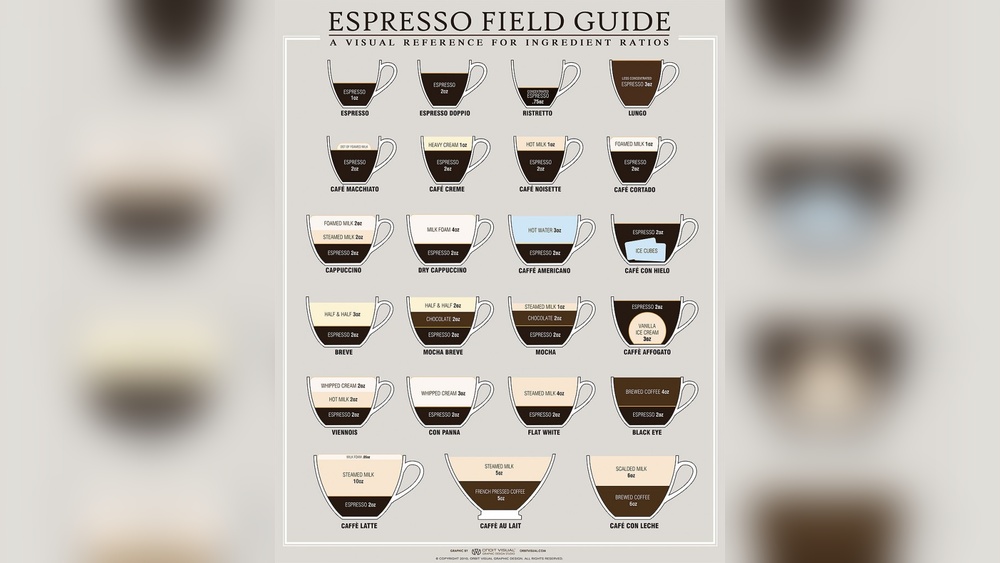
- Pour the steamed milk and foam over the espresso, aiming for a 1: 1:1 ratio (espresso, steamed milk, foam).
Key detail: The foam is much thicker, giving the drink a light, airy texture.
Comparing The Preparation
Here is a simple comparison of how a latte and a cappuccino are made:
| Step | Latte | Cappuccino |
|---|---|---|
| Espresso | 1 -2 shots | 1 -2 shots |
| Steamed Milk | Lots (6 -14 oz) | Less (2 -3 oz) |
| Milk Foam | Thin layer | Thick layer (equal to espresso & milk) |
| Cup Size | 8 -16 oz | 6 oz |
Taste And Texture: What’s The Difference?
Many people are surprised by how different these two drinks taste, even though they have the same basic ingredients.
Latte
A latte is creamy, smooth, and mild. The large amount of steamed milk softens the intensity of the espresso. The drink is less bitter and has a subtle coffee flavor. The thin layer of foam adds a silky finish, but milk is the star.
Lattes are ideal for people who prefer a gentle coffee taste. They are also popular as a base for flavored syrups like vanilla, caramel, or hazelnut.
Cappuccino
A cappuccino is bold and balanced. The smaller amount of milk lets the espresso shine through, giving a stronger coffee flavor. The thick foam on top creates a light, airy feel with every sip.
Cappuccinos are perfect for those who love a more intense coffee experience, but still want the sweetness and smoothness of milk. The foam also keeps the drink warmer longer.
Head-to-head: Taste And Texture
Here’s a quick comparison to highlight the main differences:
| Aspect | Latte | Cappuccino |
|---|---|---|
| Taste | Mild, creamy, subtle coffee | Strong, rich, balanced |
| Texture | Smooth, silky, lightly foamy | Light, airy, thick foam |
| Strength | Lower, more milk | Higher, less milk |
Visual Appearance
The way a drink looks can change how you experience it. The latte and cappuccino each have a signature appearance.
Latte
A latte is usually served in a large ceramic cup or glass. The surface is mostly flat, with a thin layer of foam. Baristas often use this foam to create beautiful latte art, like hearts or rosettas.
Cappuccino
A cappuccino comes in a smaller cup and has a thick, frothy cap of foam on top. Sometimes, baristas dust the foam with cocoa powder or cinnamon. The foam sits high, giving the drink a “dome” shape.
Visual Comparison
- Latte: Flat surface, thin foam, often with art.
- Cappuccino: Puffy, thick foam, sometimes topped with powder.
Milk To Coffee Ratio
This is one of the most important differences. The ratio affects taste, texture, and even caffeine content.
- Latte: About 1 part espresso to 3 -6 parts milk, plus a little foam.
- Cappuccino: 1 part espresso, 1 part steamed milk, 1 part foam.
The latte has much more milk, making it milder. The cappuccino has less milk and more foam, making it stronger and lighter.
Serving Size And Vessels
The size of the cup and how it’s served can change your whole experience.
Latte
Lattes are usually served in large cups or glasses, often 8, 12, or 16 ounces. This makes them a good choice if you want a bigger drink to sip slowly.
Cappuccino
Cappuccinos are served in smaller cups, usually 6 ounces. They are meant to be enjoyed quickly, before the foam settles.
Caffeine Content
Both drinks use a shot of espresso as the base, but the amount of caffeine can vary depending on the size and number of shots.
- Single shot: About 63 mg of caffeine.
- Double shot: About 125 mg of caffeine.
A standard cappuccino and latte have the same caffeine if they use the same espresso. However, lattes are often larger, and you can add extra shots for more caffeine.
Insight: Many people think a cappuccino is “stronger” in caffeine, but the strength is in flavor, not actual caffeine unless more espresso is used.
Calories And Nutrition
Milk adds calories, fat, and protein to both drinks. The more milk, the higher the calories.
- Latte (12 oz, whole milk): About 180 calories, 9g fat, 12g protein.
- Cappuccino (6 oz, whole milk): About 80 calories, 4g fat, 6g protein.
Switching to skim milk or plant-based milk lowers the calories, but can change the taste and foam quality.
Non-obvious tip: The foam in a cappuccino adds volume but not many calories, so it feels rich without being heavy.
Customization: Flavors, Milk, And Extras
Both drinks are easy to customize, but the latte is usually the base for most flavored drinks.
Latte Customizations
- Flavored syrups (vanilla, caramel, hazelnut)
- Alternative milks (almond, oat, soy)
- Extra espresso shots
- Whipped cream or toppings
Lattes are often served iced, especially in summer.
Cappuccino Customizations
- Cocoa powder or cinnamon on top
- Different milk types (though whole milk gives the best foam)
- “Dry” (more foam) or “wet” (more milk) versions
Cappuccinos are rarely flavored or iced, since the thick foam is key to their identity.
Cultural Differences And Traditions
How and when you drink these coffees can be very different depending on where you are.
In Italy
- Cappuccino is a morning drink, usually with breakfast.
- Latte is rarely ordered in a café; “latte” alone means a glass of milk!
- Asking for a “latte” may get you just milk. Instead, order “caffè latte.”
In The Us And Other Countries
- Lattes are popular all day, often as a take-away drink.
- Cappuccinos are enjoyed both in the morning and afternoon.
- Customizations and flavors are more common.
Practical tip: When traveling, know local traditions to avoid confusion or disappointment.
Making Them At Home: Practical Tips
You don’t need to be a barista to enjoy a good latte or cappuccino at home.
Essential Tools
- Espresso machine (with steam wand)
- Good quality coffee beans
- Milk jug for steaming
- Thermometer (optional, for milk temperature)
- Cups (6 oz for cappuccino, 12 -16 oz for latte)
Important Steps
- Use fresh, high-quality espresso beans.
- Steam milk to 150 -160°F (65 -70°C) for best texture.
- For cappuccino, focus on creating dense, microfoam.
- For latte, keep the milk silky with less foam.
Common Mistakes
- Overheating milk (burns flavor and ruins foam)
- Not cleaning the steam wand (affects taste and hygiene)
- Using old coffee beans (dull flavor)
- Skipping the “purge” step on the steam wand (can cause watery milk)
Non-obvious insight: Practice swirling the milk in the jug after steaming. This makes the foam even and gives you better control for pouring.
Latte Art: The Finishing Touch
Latte art is popular in coffee shops and adds a visual treat to your drink.
- Requires smooth, microfoam milk.
- Pour milk steadily into the espresso, using wrist movement.
- Common designs: Heart, rosetta, tulip.
Cappuccinos rarely have latte art, as the thick foam is not suitable for detailed designs.
Price And Value
The cost of a latte or cappuccino can vary by location, size, and ingredients.
- Lattes are usually more expensive because they use more milk and come in larger cups.
- Cappuccinos are smaller and use less milk, so they may cost slightly less.
In specialty cafes, the price can also reflect the skill of the barista and the quality of the beans.
Data point: In the US, an average latte costs about $4 -$5, while a cappuccino is usually $3.50 -$4.50.
Health Considerations
Both drinks can be part of a healthy diet, but there are things to keep in mind.
- Lattes have more calories due to more milk.
- Both are good sources of calcium and protein if made with cow’s milk.
- Skim milk or plant milk can reduce calories, but may change taste and foam.
- Flavored syrups add sugar; ask for “less sweet” or sugar-free options if needed.
Interesting fact: The foam in cappuccinos slows down how fast you drink, which can help you enjoy your coffee mindfully.
Which One Should You Choose?
Choosing between a latte and a cappuccino depends on your taste, mood, and even the weather.
- Choose a latte if you like a mild coffee, want to add flavors, or need a bigger drink to last longer.
- Choose a cappuccino if you prefer a strong coffee taste, love thick foam, or want a lighter, smaller treat.
Try both and see which one matches your style. Your favorite might even change depending on the day!
Fun Facts And Myths
- The world’s largest latte was made in 2017 and contained over 3,000 liters of coffee and milk.
- The cappuccino’s foam acts as an insulator, keeping your drink warm longer.
- In Australia, the “flat white” is a popular drink that sits between a latte and a cappuccino in milk and foam.
Myth: “Cappuccinos are always stronger than lattes.” In reality, the caffeine is often the same; the difference is in taste and mouthfeel.
The Role Of Coffee Shops
Modern coffee shops have helped shape how we think about lattes and cappuccinos.
- Baristas train for years to perfect steaming and pouring techniques.
- Shops may offer unique twists, like matcha or turmeric lattes.
- Ordering style varies: In Italy, coffee is often enjoyed standing at the bar; in the US, it’s common to take it to go.
Non-obvious tip: If you want the “authentic” experience, try a cappuccino in the morning at a local Italian café.
Environmental Impact
Milk production has a significant impact on the environment, especially for lattes that use more milk.
- Plant-based milks (oat, almond, soy) have a lower carbon footprint than cow’s milk.
- Bringing your own cup reduces waste from paper or plastic.
Data: A typical latte with cow’s milk has a carbon footprint about double that of a cappuccino, mainly due to the extra milk.
Summary Table: Latte Vs Cappuccino At A Glance
Here’s a quick-reference guide to all the key differences:
| Feature | Latte | Cappuccino |
|---|---|---|
| Origin | Italy/USA | Italy |
| Cup Size | 8 -16 oz | 6 oz |
| Milk-to-Espresso Ratio | 3 -6:1 | 1:1 |
| Foam | Thin | Thick |
| Taste | Mild | Strong |
| Calories (whole milk) | 180 (12 oz) | 80 (6 oz) |
| Common Add-ons | Syrups, art, ice | Cocoa, cinnamon |
| When Served | All day | Morning (Italy) |
Frequently Asked Questions
What Is The Main Difference Between A Latte And A Cappuccino?
The main difference is the milk-to-espresso ratio and the amount of foam. A latte uses much more steamed milk with a thin layer of foam, making it milder. A cappuccino has equal parts espresso, steamed milk, and thick foam, giving it a stronger coffee flavor and airy texture.
Which One Has More Caffeine: Latte Or Cappuccino?
If both drinks use the same number of espresso shots, they have the same amount of caffeine. The difference is in taste and size. Lattes often come in larger cups, so they may have more espresso (and caffeine) if you choose a bigger size.
Can I Add Flavors To My Cappuccino Or Latte?
Yes, but lattes are better suited for flavors like vanilla, caramel, or hazelnut. The mild milk taste pairs well with syrups. Cappuccinos are usually left plain or topped with cocoa or cinnamon, as strong flavors can overpower the balance of espresso and foam.
Which Is Healthier: Latte Or Cappuccino?
A cappuccino is usually lower in calories because it has less milk. If you are watching calories or fat, choose a cappuccino or order your latte with skim or plant-based milk. Be careful with added syrups, which can increase sugar and calories.
Can I Make A Latte Or Cappuccino Without An Espresso Machine?
Yes, you can use a strong brewed coffee (like from an AeroPress or moka pot) as a base. Heat and froth milk by shaking it in a jar and microwaving, or using a hand frother. The taste and foam won’t be exactly the same as espresso, but you can make a good home version.
For further reading and more about coffee history, visit Wikipedia.
coffee culture explained is always evolving, but whether you prefer the creamy comfort of a latte or the bold, foamy kick of a cappuccino, there’s a perfect cup for every moment. Try both, pay attention to the details, and enjoy the ritual -because the best coffee is the one that makes you happy.