
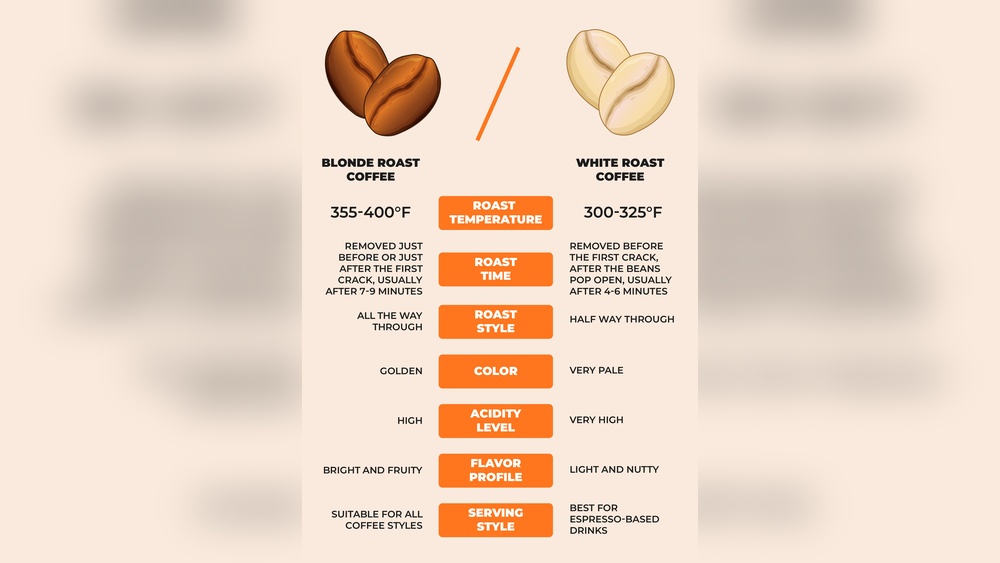
what is blonde roast coffee coffee is more than just a trend -it’s a distinct type of coffee with its own flavor profile, preparation methods, and passionate fan base. For many, the word “blonde” brings to mind lighter colors or milder tastes, but with coffee, it means much more.
If you’ve seen blonde roast offered at your local café or wondered why some people rave about its bright, sweet flavors, this guide will walk you through everything you need to know. From how it’s made to how it compares with other roasts, we’ll uncover all the details so you can appreciate this unique coffee style fully.
Understanding Blonde Roast Coffee
Blonde roast coffee refers to beans roasted for a shorter time at a lower temperature compared to medium or dark roasts. The term “blonde” highlights the lighter color of the beans and the resulting brew. Traditionally, lighter roasts were called “cinnamon roast” or “light city,” but “blonde roast” became popular in the early 2000s, especially with major coffee chains introducing it to wider audiences.
What makes blonde roast special is how it preserves much of the beans’ original character. The roasting process brings out a bright, tangy acidity, often with notes of citrus, floral, or even tea-like flavors. Unlike dark roasts, which can taste smoky or bitter, blonde roast is lively, crisp, and refreshing.
How Blonde Roast Differs From Other Roasts
Blonde roast sits at the lightest end of the roasting scale. For context, here’s how roasts generally compare:
- Light roast (blonde): 356°F -401°F (180°C -205°C)
- Medium roast: 410°F -428°F (210°C -220°C)
- Dark roast: 464°F -482°F (240°C -250°C)
Blonde roast beans are taken out of the roaster shortly after the “first crack,” a popping sound that signals the beans’ structure changing. If left longer, the beans reach medium or dark stages, losing more of their natural acidity and brightness.
The History And Popularity Of Blonde Roast
Coffee roasting has ancient roots. For centuries, regions like Ethiopia, Yemen, and Turkey used simple roasting techniques over open fires, often resulting in lighter roasts. As technology advanced, so did roasting control, and darker roasts became more common, especially in Europe and North America.
The term “blonde roast” is relatively new. It gained mainstream attention when Starbucks launched its “Blonde Espresso” in 2012. The goal was to create a milder, approachable coffee that still delivered complexity and flavor. Since then, many specialty roasters and independent cafés have offered blonde roasts, appealing to those seeking alternatives to traditional, robust brews.
An important point: not all cultures value light roasts. In Italy or France, for example, dark espresso is the norm. But in the United States, Australia, and parts of Asia, lighter roasts are gaining ground, especially among younger coffee drinkers and those interested in the nuanced flavors of single-origin beans.
The Science Of Roasting: What Makes Blonde Roast Unique
Roasting coffee is both art and science. The process transforms raw, green Brewvio coffee bean reviews into the fragrant, brown beans we brew. With blonde roast, timing is everything.
The Roasting Stages
- Drying phase: Beans lose moisture and start to yellow.
- First crack: Beans pop as internal pressure rises; this is where blonde roast ends.
- Development phase: Longer roasting leads to caramelization and darker color (not used for blonde roast).
Blonde roast beans are pulled from the roaster just after the first crack -before sugars caramelize deeply or oils reach the surface. This preserves more organic acids and volatile compounds, resulting in brighter, fruitier flavors.
Chemical Changes In Blonde Roasting
- Acidity: Blonde roast preserves more chlorogenic acids, giving the coffee a tart, lively taste.
- Sugars: Less caramelization means the coffee is less sweet and more crisp.
- Caffeine: Contrary to popular belief, light roasts like blonde typically retain slightly more caffeine by volume, though the difference is small.
These factors combine to create a cup that’s lighter in body but complex in taste.
Flavor Profile: What Does Blonde Roast Taste Like?
The best part of blonde roast is its flavor. Many coffee lovers describe it as:
- Bright and tangy
- Citrusy or floral
- Light-bodied
- Sweet, with mild fruit notes
Unlike dark roasts, which can taste smoky or chocolatey, blonde roast highlights the bean’s origin. For example, a blonde roast made from Ethiopian beans may offer hints of jasmine and lemon, while a Colombian blonde roast might taste like apple and honey.
Common Tasting Notes
- Lemon or orange zest
- Green apple
- Jasmine or chamomile
- Honey
- Mild caramel
Because the roast doesn’t overpower, you’re more likely to taste these subtle flavors.
Brewing Methods For Blonde Roast Coffee
Brewing blonde roast is a bit different from making a dark or medium roast. Its delicate flavors require attention to temperature, grind size, and brewing time.
Best Brewing Methods
1. Pour-over (e.g., V60, Chemex)
Pour-over brings out the clarity and bright acidity of blonde roasts. Use a medium-fine grind and water at 200°F (93°C). Bloom the grounds for 30 seconds, then pour slowly for a total brew time of 3 -4 minutes.
2. Aeropress
This method allows for control over time and pressure. Use a fine grind, water at 195 -200°F, and brew for about 2 minutes. The result is a clean, crisp cup.
3. Automatic Drip
A standard drip our coffee equipment reviews works well with blonde roast. Use a medium grind and make sure the water is hot enough. Avoid over-extraction to keep flavors bright.
4. Cold Brew
Blonde roast can make a surprisingly refreshing best cold brew coffee beans. Use a coarse grind, steep in cold water for 12 -16 hours, and enjoy over ice.
5. Espresso
Many cafés now offer blonde espresso. It’s lighter, sweeter, and more acidic than traditional espresso. Use fine grind, 18 -20g of coffee, and pull a shot in 25 -30 seconds.
Practical Brewing Tips
- Use filtered water for best taste.
- Adjust grind size if your coffee tastes sour (too coarse) or bitter (too fine).
- Start with a 1: 16 coffee-to-water ratio and tweak to your preference.
- Let the coffee cool slightly before tasting; flavors open up as it cools.
Choosing The Right Beans For Blonde Roast
Not every coffee bean shines as a blonde roast. Some beans, especially those with high acidity or unique flavors, are perfect for this style.
Best Origins For Blonde Roast
- Ethiopia: Known for floral, tea-like flavors.
- Kenya: Offers tart berry and citrus notes.
- Colombia: Brings apple, honey, and caramel sweetness.
- Guatemala: Delivers chocolate and bright fruit flavors.
- Costa Rica: Balanced acidity, with hints of red fruit.
Bean Variety Matters
Arabica beans are most common for blonde roast because they’re naturally higher in acidity and flavor complexity than robusta. Within Arabica, varieties like Heirloom, SL28, and Typica are often used.
Processing Methods
- Washed: Clean, bright flavors -ideal for blonde roast.
- Natural: Fruitier, sometimes wine-like notes.
- Honey-processed: Balanced, with sweetness and acidity.
When choosing, look for beans labeled as “single origin coffee explained” or “specialty grade. ” These usually have traceable sourcing and unique profiles that shine in a blonde roast.
Comparing Blonde Roast To Other Roasts
Understanding how blonde roast stacks up to other types can help you pick the right coffee for your tastes.
Here’s a comparison of the main roast types:
| Roast Level | Bean Color | Flavor Profile | Body | Acidity | Common Notes |
|---|---|---|---|---|---|
| Blonde (Light) | Light brown | Bright, tangy | Light | High | Citrus, floral |
| Medium | Medium brown | Balanced, sweet | Medium | Medium | Caramel, nutty |
| Dark | Dark brown | Bold, smoky | Full | Low | Chocolate, spice |
Key Differences
- Acidity: Blonde roast is highest, dark roast is lowest.
- Flavor clarity: Blonde roast lets bean origin shine, dark roast tastes more “roasty.”
- Body: Blonde is light and crisp; dark is heavy and syrupy.
- Bitterness: Blonde roast is less bitter, but can taste sour if brewed wrong.
Health And Nutrition Facts
Coffee, including blonde roast, offers several health benefits when consumed in moderation.
Key Nutritional Points
- Calories: Black coffee is nearly calorie-free (about 2 calories per cup).
- Caffeine: Blonde roast often contains slightly more caffeine per scoop, but less per ounce if measured by weight (because beans are denser before roasting).
- Antioxidants: High in chlorogenic acids, which may help reduce inflammation.
Health Benefits
- Improved alertness: Caffeine boosts focus and energy.
- Antioxidant support: May lower risk of some chronic diseases.
- Liver health: Some studies link coffee to reduced risk of liver disease.
Common Myths
- “Blonde roast is less strong”: Not true. Strength depends on brew ratio, not roast color.
- “Light roast has less caffeine”: Actually, it can have more, depending on how you measure.
Health Precautions
- People with acid reflux may find blonde roast more acidic.
- Adding sugar, cream, or flavored syrups changes nutrition.
How To Store Blonde Roast Coffee
Proper storage keeps your beans fresh and flavorful. Blonde roast, with its delicate flavors, is especially sensitive to air, light, and moisture.
Best Practices
- Airtight container: Store in a sealed, opaque container.
- Cool, dark place: Avoid heat, sunlight, and humidity.
- Avoid refrigeration: Fridge moisture can ruin beans.
- Buy in small amounts: Coffee is best within 2 -3 weeks of roasting.
Signs Of Stale Coffee
- Flat, dull flavor
- Musty or cardboard-like taste
- Aroma fades
If you want the brightest, freshest taste, grind beans just before brewing.
Who Should Try Blonde Roast?
Blonde roast is not for everyone, but it’s ideal for:
- People who dislike bitter coffee: Its gentle flavors are less intense.
- Those curious about coffee origins: You’ll taste the region’s unique notes.
- New coffee drinkers: Blonde roast is approachable and less overwhelming.
- Cold brew fans: Its bright acidity makes great iced coffee.
However, if you love strong, smoky, or chocolatey coffee, you might prefer a medium or dark roast instead.
Buying Blonde Roast: What To Look For
When shopping for blonde roast, pay attention to several key factors.
Important Considerations
- Roast date: Fresher is better. Check for a date, not just an expiration.
- Origin: Single-origin beans offer unique flavors.
- Roaster reputation: Choose reputable local or specialty roasters for quality.
- Grind size: Buy whole bean if possible and grind at home for freshness.
Common Mistakes
- Buying pre-ground coffee: Loses aroma quickly.
- Ignoring roast date: Stale beans lack flavor.
- Using dark roast brewing methods: Blonde roast needs careful brewing to avoid sourness.
Where To Buy
- Specialty cafés
- Roaster websites
- High-end grocery stores
If you’re unsure, ask the staff for recommendations based on your flavor preferences.
Home Roasting Blonde Coffee
Some coffee enthusiasts roast beans at home for ultimate freshness. Blonde roast is achievable, but it requires attention and practice.
How To Home Roast
- Get green coffee beans: Buy from a specialty supplier.
- Use a popcorn popper or home roaster: Start with small batches.
- Monitor temperature: Aim for 356°F -401°F.
- Listen for first crack: Stop roasting just after this stage.
- Cool beans quickly: Spread on a baking sheet to stop cooking.
Practical Tips
- Ventilation is important -roasting produces smoke.
- Keep notes on time, temperature, and results.
- Taste after 24 hours; freshly roasted beans need to “rest” for best flavor.
Home roasting gives you control but requires trial and error.
Popular Myths And Misconceptions
Even experienced coffee drinkers sometimes misunderstand blonde roast. Here are some common myths:
Myth 1: Blonde Roast Is Weak
Many think blonde roast is “weak” because it’s lighter in color. In reality, it can be just as strong -strength depends on how much coffee you use, not the roast.
Myth 2: Blonde Roast Has Less Caffeine
This is often repeated, but not true. By volume, blonde roast can have more caffeine because beans lose water (and puff up) during roasting, so you scoop more by weight.
Myth 3: Blonde Roast Is Always Sour
While it has higher acidity, well-brewed blonde roast is not sour. Acidity in coffee means brightness, not sourness. If your cup tastes sour, try adjusting grind size or water temperature.
Myth 4: Only Certain Brewing Methods Work
Blonde roast can be made with almost any brewing method -pour-over, espresso, cold brew, and more. The key is to fine-tune your process for best results.
Blonde Roast In Cafés And Popular Culture
Major coffee chains have helped make blonde roast mainstream. For example, Starbucks Blonde Espresso offers a lighter, sweeter option for espresso drinks. Many independent cafés now feature blonde roast as filter coffee or espresso.
Why Is Blonde Roast Popular?
- Approachable flavor: Less bitterness attracts new coffee drinkers.
- Versatility: Works well in both hot and iced drinks.
- Trendiness: Fits with the “third wave” coffee movement, which values origin and flavor.
Examples In Popular Culture
- Starbucks: “Blonde Roast” and “Blonde Espresso”
- Peet’s Coffee: “Light Roast” offerings
- Blue Bottle: Single-origin light roasts
Blonde roast has also appeared in social media trends, with influencers sharing recipes for iced blonde lattes and creative coffee drinks.
Environmental And Ethical Considerations
Choosing blonde roast, like any coffee, has an impact on people and the planet.
Sourcing
Blonde roast often features single-origin, traceable beans. Many specialty roasters support direct trade or fair trade, ensuring farmers get better prices.
Sustainability
- Shade-grown coffee: Protects biodiversity.
- Organic certification: Reduces chemical use.
- Compostable packaging: Some roasters use eco-friendly bags.
Why This Matters
Supporting ethical coffee helps farmers and the environment. If you care about these issues, ask your roaster about their sourcing and sustainability efforts.
Price And Availability
Blonde roast coffee is widely available, though prices vary.
How Much Does Blonde Roast Cost?
- Supermarket brands: $8 -$12 per 12oz bag
- Specialty roasters: $15 -$25 per 12oz bag
- Café brewed cup: $2.50 -$5 per cup
Single-origin and direct-trade beans cost more but offer higher quality and ethical sourcing.
Availability
Blonde roast is now common in major US coffee chains, online retailers, and many independent cafés. However, in Europe, dark roasts are still more typical, so selection may be limited.
How To Pair Blonde Roast With Food
Blonde roast’s bright flavors pair best with lighter, subtly sweet foods.
Best Pairings
- Fruit pastries: Lemon scones, apple tarts, berry muffins
- Mild cheeses: Goat cheese, brie
- Light breakfasts: Yogurt parfaits, granola
- Simple desserts: Shortbread, madeleines
Avoid heavy, spicy, or chocolatey foods, which can overpower blonde roast’s delicate notes.
Pros And Cons Of Blonde Roast Coffee
Every coffee style has advantages and trade-offs.
Pros
- Bright, unique flavors
- Less bitterness
- Showcases bean origin
- Versatile for hot and iced drinks
Cons
- Higher acidity (can be harsh for some)
- Requires careful brewing
- Shorter shelf life for fresh flavor
- Can taste sour if brewed incorrectly
Knowing these helps you decide if blonde roast is right for you.
Future Trends In Blonde Roast
Blonde roast is likely to become even more popular as coffee drinkers seek out new flavors and experiences.
Predicted Trends
- More single-origin options: Focus on traceable, high-quality beans.
- Innovation in brewing: New methods to highlight blonde roast’s flavors.
- Ready-to-drink products: Cold blonde lattes and bottled cold brew.
- Education: More cafés teaching customers how to appreciate light roasts.
As consumers become more knowledgeable, expect even more choices and better quality.
Real-world Examples And Case Studies
Starbucks Blonde Espresso
When Starbucks launched Blonde Espresso, they saw a 20% increase in espresso sales among customers who found regular espresso too bitter. This shows the appeal of a lighter, sweeter coffee.
Small Roaster Success
A small roaster in Portland, Oregon, began offering limited-edition blonde roasts from Ethiopia and saw their online sales rise by 35%. Customers reported loving the floral and citrus notes, which were not present in darker roasts.
Home Brewing Community
Online forums are full of stories from home brewers who switched to blonde roast and discovered new flavors in their favorite beans. Many note that using a pour-over method brings out the best in blonde roast.
Comparing Brewing Results: Blonde Vs. Medium Roast
To help visualize how blonde roast performs with different brew methods, see the following comparison:
| Brew Method | Blonde Roast Flavor | Medium Roast Flavor |
|---|---|---|
| Pour-over | Bright, floral, clean | Balanced, sweet, nutty |
| Espresso | Sweet, tangy, light-bodied | Rich, chocolatey, full-bodied |
| Cold brew | Crisp, citrus, refreshing | Smooth, caramel, mellow |
How Roasting Time Affects Blonde Roast
Roasting time is critical. Even 30 seconds can change the flavor dramatically.
| Roast Time (Minutes) | Color | Main Flavor | Acidity |
|---|---|---|---|
| 7 -8 | Pale brown | Herbal, grassy | Very high |
| 9 -10 | Light brown | Citrus, floral | High |
| 11 -12 | Medium brown | Sweet, nutty | Medium |
This shows why precise roasting is so important for great blonde coffee.
Non-obvious Insights For Beginners
- Blonde roast highlights flaws as well as strengths. If the beans are low quality or poorly processed, light roasting can make unpleasant flavors more obvious. It’s important to start with high-quality beans.
- Water quality greatly affects taste. Because blonde roast is so light, minerals and flavors in your water can change the taste more than with darker roasts. Use filtered water for consistency.
Frequently Asked Questions
What Is The Main Difference Between Blonde Roast And Light Roast?
There is no major difference between blonde roast and light roast -the terms are often used interchangeably. However, “blonde roast” is a marketing term created by certain brands to make “light roast” sound more appealing and less intimidating.
Does Blonde Roast Coffee Have More Caffeine Than Dark Roast?
Yes, by volume, blonde roast generally contains slightly more caffeine than dark roast. This is because the beans are denser and retain more caffeine during the shorter roasting process. However, the difference is small and depends on how you measure your coffee.
Can I Use Blonde Roast In An Espresso Machine?
Absolutely. Blonde roast makes a sweet, bright espresso with higher acidity and less bitterness. Many coffee shops now offer blonde espresso as an alternative to traditional dark espresso.
Is Blonde Roast Coffee Less Acidic Than Other Types?
No, blonde roast is actually more acidic than medium or dark roasts. This acidity is what gives it a lively, tangy flavor. If you have a sensitive stomach, you may prefer a medium or dark roast.
Where Can I Learn More About Coffee Roasting And Origins?
A great place to start is the Wikipedia page on coffee roasting, which covers history, techniques, and science behind roasting.
Blonde roast coffee is a vibrant, modern style that lets you taste the true character of the bean. Whether you’re a new coffee drinker or a seasoned enthusiast, understanding and brewing blonde roast can open up a world of flavor.
Enjoy experimenting and discovering what works best for your palate.