
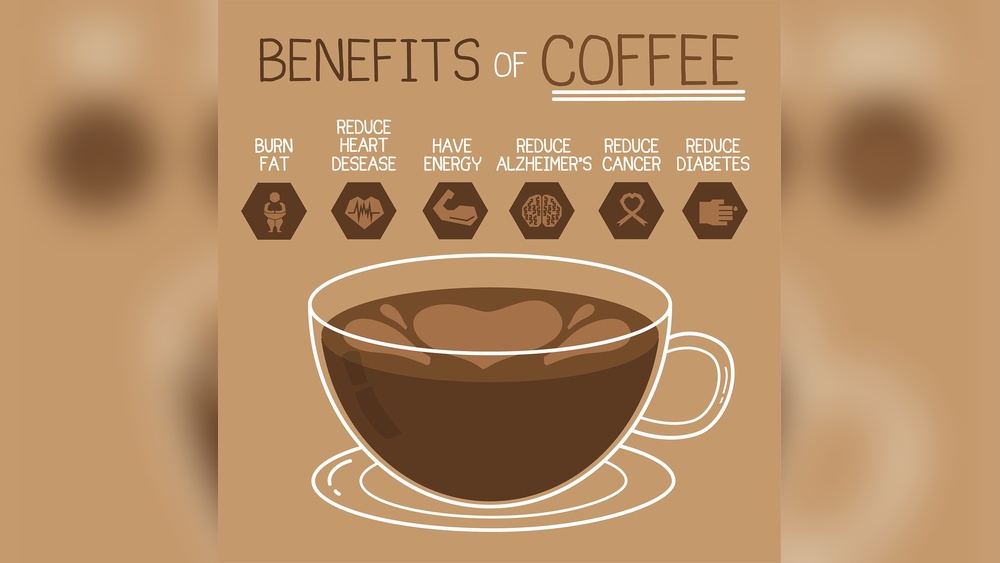
Coffee is more than a morning habit. For many, it’s a daily ritual, a source of comfort, or a social activity. But beyond its rich aroma and energizing effects, people often wonder: Is coffee good for you? The answer isn’t simple. Over the years, scientists have explored coffee’s health impact from every angle -sometimes calling it a health risk, other times praising its benefits. Today, the conversation has shifted. New research offers a more balanced view, mixing both positive and negative aspects. To help you understand this complex drink, let’s explore what science says about coffee, its effects on different parts of your body, who should be careful, and how to get the most out of every cup.
What’s In Your Cup? Coffee’s Main Ingredients
Coffee is more than just caffeine. Each cup contains a mix of bioactive compounds, including antioxidants, vitamins, and minerals. Here’s a closer look at what you’re really drinking:
- Caffeine: The most well-known ingredient. It stimulates the brain and central nervous system, making you feel more awake.
- Chlorogenic acids: These are antioxidants that may help reduce inflammation and protect cells.
- Diterpenes: Compounds like cafestol and kahweol, which can affect cholesterol levels.
- Trigonelline: May help with antibacterial effects and flavor.
- Vitamins and minerals: Small amounts of potassium, magnesium, and B vitamins.
The amount of each compound can change based on the type of coffee, how it’s roasted, and how it’s brewed. For example, espresso has more caffeine per ounce, but a regular cup of coffee gives you more overall caffeine because of the larger serving size.
Coffee And Your Brain
Boosting Alertness And Mood
One of coffee’s biggest benefits is its ability to increase alertness. Caffeine blocks adenosine, a chemical in your brain that makes you feel tired. This leads to improved focus and energy. People who drink coffee often notice they can work or study better, at least for a few hours after their cup.
But coffee is not just about being awake. Studies show coffee can also improve mood and help fight feelings of depression. People who drink coffee regularly have a lower risk of depression, according to some research.
Cognitive Health And Aging
Recent studies suggest coffee might protect your brain as you age. Regular coffee drinkers have a reduced risk of diseases like Alzheimer’s and Parkinson’s. For example, a review in the journal “Nutrients” found that people who drank 3-5 cups of coffee daily had a lower risk of cognitive decline.
Common Pitfall: Sleep Problems
While coffee can boost alertness, it can also disrupt sleep if you drink it late in the day. Caffeine can stay in your body for up to 6 hours. If you’re sensitive, even an afternoon cup could make it hard to fall asleep or get deep rest. This is something many people overlook when they start new coffee habits.
Coffee And Heart Health
Lowering Disease Risk
Many people worry coffee might be bad for the heart, but new evidence says moderate coffee drinking is safe for most people. In fact, several large studies found that drinking 2-4 cups per day is linked to a lower risk of heart disease and stroke.
Blood Pressure And Heart Rate
Coffee can raise blood pressure a little, especially right after drinking. For most healthy adults, this effect is small and temporary. But if you already have high blood pressure, it’s wise to check how your body reacts.
Cholesterol Concerns
Some ways of making coffee, like the French press or Turkish style, don’t use filters. These methods let more diterpenes into your cup, which may raise cholesterol. Using a paper filter (like in drip coffee makers) removes most of these compounds.
Here’s a quick comparison of brewing methods and their effect on cholesterol:
| Brewing Method | Cholesterol Impact | Filter Used? |
|---|---|---|
| Drip (paper filter) | Low | Yes |
| French Press | Higher | No |
| Espresso | Medium | No |
| Instant | Low | N/A |
Coffee And Metabolism
Burning Fat And Boosting Performance
Caffeine can increase your metabolic rate, meaning you burn more calories even at rest. This is one reason why caffeine is often found in weight loss supplements. Studies show that after drinking coffee, you may burn 3-11% more calories for a few hours.
For athletes, coffee can also improve physical performance. Caffeine helps muscles work harder and reduces the feeling of tiredness. A small cup before exercise can make a real difference.
Type 2 Diabetes Risk
Many studies show a clear link between coffee and a lower risk of type 2 diabetes. Drinking 3-4 cups a day is linked with up to a 25% lower risk. The exact reason isn’t fully understood, but the antioxidants and other compounds in coffee seem to improve how the body uses insulin.
Impact On Digestion
Coffee stimulates the production of stomach acid, which can help some people digest food. However, it can also cause discomfort for people with acid reflux or ulcers. If you notice stomach pain after coffee, you may need to cut back or switch to a lower-acid coffee.
Coffee And Cancer Risk
Protective Effects
Surprisingly, coffee may lower the risk of several types of cancer. Research suggests coffee drinkers have a lower chance of getting:
- Liver cancer
- Colorectal cancer
- Endometrial cancer
A big review by the World Health Organization found that people who drink coffee regularly are less likely to develop liver cancer. The exact reasons are still being studied, but antioxidants in coffee may protect cells from damage.
Cancers Where Risk May Increase
There’s some evidence that very hot drinks (not just coffee) may increase the risk of esophageal cancer. This is because hot liquids can damage the cells lining your throat. It’s smart to let your coffee cool a bit before drinking.
Coffee And Liver Health
Lowering Disease Risk
One of coffee’s strongest health benefits is its effect on the liver. Studies have found that coffee drinkers have a lower risk of liver fibrosis, cirrhosis, and even liver cancer. For people with liver disease, coffee may slow down the disease and improve survival.
Why Does Coffee Help?
Coffee’s antioxidants help reduce inflammation and block the build-up of scar tissue in the liver. This makes coffee a unique drink in the world of health research.
Coffee And Longevity
Living Longer
Can coffee really help you live longer? Large studies say yes. For example, a study of over 400,000 people in the US found that coffee drinkers had a lower risk of death from heart disease, stroke, diabetes, and infections. The sweet spot seems to be 2-4 cups per day.
Quality Of Life
It’s not just about living longer, but also feeling better. Coffee’s effect on energy, mood, and metabolism can help people stay active and engaged as they age.
Coffee And Your Bones
Calcium And Bone Health
Some studies found that drinking a lot of coffee can lower the amount of calcium your body keeps. Over time, this might affect bone health, especially in older adults or people who don’t get enough calcium in their diet.
If you drink more than 3 cups a day, make sure you’re getting enough calcium and vitamin D. Adding a little milk to your coffee can help.
Special Caution For Women
Women, especially after menopause, are more at risk for bone loss. If you’re in this group, you may want to limit coffee or be extra careful about calcium intake.
Coffee And Pregnancy
What Pregnant Women Need To Know
During pregnancy, caffeine crosses the placenta and reaches the baby. High amounts of caffeine can increase the risk of miscarriage, low birth weight, and other problems. Most health experts recommend pregnant women limit their caffeine to 200 mg per day (about one 12-ounce cup of coffee).
Breastfeeding And Coffee
Caffeine can also pass into breast milk. While small amounts are usually safe, too much can make babies fussy or keep them awake. If you’re breastfeeding, pay attention to how your baby reacts.
Coffee And Mental Health
Depression And Suicide Risk
Several studies found that regular coffee drinkers are less likely to be depressed or think about suicide. The reason isn’t only caffeine -other compounds in coffee may help the brain work better.
Anxiety And Jitters
For some people, too much coffee can make anxiety worse or cause jitters. If you’re sensitive, even one cup might be too much. People with panic disorder or anxiety should be careful with coffee.
Coffee And Gut Health
Effects On The Digestive Tract
Coffee can speed up the movement of your bowels, sometimes causing the urge to go to the bathroom. This is one reason why some people use coffee to help with constipation.
But for others, coffee may cause stomach upset, acid reflux, or even diarrhea. The effect depends on your body and how much you drink.
The Microbiome
New research suggests coffee may support a healthy gut by increasing good bacteria. This is an exciting area of study, but more research is needed to confirm the benefits.
Coffee And Hydration
Does Coffee Dehydrate You?
Many people believe coffee causes dehydration because it makes you urinate more. But studies show that for regular drinkers, coffee counts toward your daily fluid intake. Unless you drink large amounts all at once, coffee won’t dry you out.
When To Be Careful
If you’re not used to caffeine, you might feel thirsty or need to use the restroom more often after coffee. This usually gets better over time.
Coffee And Weight Control
Appetite And Calorie Intake
Caffeine can reduce appetite for a short time, but the effect is usually small. Some people find that black coffee helps them eat less at meals, while others feel no change.
Hidden Calories
The real danger for weight gain is not the coffee, but what you put in it. Sugar, cream, syrups, and flavored drinks can add hundreds of calories. For example:
| Coffee Drink | Calories (Medium, 16 oz) | Sugar (g) |
|---|---|---|
| Black Coffee | 5 | 0 |
| Latte (whole milk) | 190 | 15 |
| Mocha (with whipped cream) | 350 | 35 |
| Frappuccino | 400+ | 50+ |
If weight control is your goal, black coffee or coffee with a splash of milk is best.
Coffee: How Much Is Safe?
Recommended Daily Amounts
Most research shows that 3-5 cups of coffee per day is safe for most healthy adults. This equals about 400 mg of caffeine. Drinking more may increase side effects like insomnia, anxiety, or heart palpitations.
Caffeine Sensitivity
Not everyone handles caffeine the same way. Genetics, age, and even medications can change how your body reacts. If you feel jittery or have trouble sleeping, you may need to cut back.
Who Should Be Careful With Coffee?
Coffee is safe for most people, but some should be extra cautious:
- People with heart rhythm problems: Coffee can cause palpitations or irregular beats in sensitive people.
- People with high blood pressure: Large amounts may raise blood pressure a little.
- Pregnant women: Limit to 200 mg caffeine per day.
- People with anxiety or panic disorders: Caffeine can make symptoms worse.
- Children and teens: Caffeine is not recommended.
- People with acid reflux or ulcers: Coffee can irritate the stomach.
- People on certain medications: Some drugs interact with caffeine.
If you fall into one of these groups, talk to your doctor before making coffee a regular part of your diet.
The Science: What Large Studies Tell Us
Key Research Findings
- A 2017 review in the British Medical Journal covering over 200 studies found that coffee drinkers had a lower risk of death from many causes.
- The World Health Organization removed coffee from its list of possible cancer-causing substances and now says coffee may protect against some cancers.
- The US Dietary Guidelines include moderate coffee as part of a healthy diet for adults.
For more details on scientific findings, you can read the summary at the World Health Organization.
Non-obvious Insights For Coffee Drinkers
1. Time Matters
The timing of your coffee matters more than many people think. Drinking coffee first thing in the morning, when your body’s own cortisol is high, may reduce its energizing effect. You may get a better boost if you wait an hour or two after waking up.
2. Decaf Has Benefits Too
Decaffeinated coffee still contains many of the same healthy compounds, including antioxidants. If you’re sensitive to caffeine, decaf can offer most of the same long-term benefits without the jitters.
3. Additives Can Cancel Benefits
Adding a lot of sugar, cream, or flavored syrups can turn a healthy drink into a dessert. This not only adds calories but can also increase the risk of diabetes and heart disease over time.
4. Coffee Quality Matters
The type and quality of coffee you choose can make a difference. Cheap, low-quality beans may contain more contaminants like mold or pesticides. Choose high-quality, freshly roasted beans from reputable sources.
5. Listen To Your Body
Everyone’s body reacts differently to coffee. Some feel great after a cup, others feel anxious or get stomach pain. Paying attention to how you feel is more important than following trends.
Decoding Popular Coffee Myths
Myth 1: Coffee Stunts Your Growth
There’s no evidence that coffee stops children from growing. This old belief likely started because of concerns about calcium loss, but the effect is minimal if you get enough calcium in your diet.
Myth 2: Coffee Is Addictive Like Drugs
Coffee can create dependence, but it’s not as strong as drugs like nicotine or alcohol. Most people who stop drinking coffee may feel tired or get a headache for a few days, but these symptoms are mild and temporary.
Myth 3: Coffee Is Bad For Your Heart
Modern research shows that moderate coffee drinking is not a major risk for heart disease in healthy people. In fact, it may even lower the risk.
Myth 4: Dark Roast Has More Caffeine
what is blonde roast coffee actually has slightly more caffeine than dark roast, because the roasting process breaks down some caffeine.
Myth 5: Coffee Helps You Sober Up
Coffee does not remove alcohol from your body or make you sober. It might make you feel more awake, but your reaction times and judgment are still affected by alcohol.
How To Make Coffee Healthier
- Choose black coffee or add only a small amount of milk.
- Limit sugar and syrups. Use cinnamon or vanilla for flavor instead.
- Drink after breakfast, not on an empty stomach, to avoid stomach upset.
- Use a paper filter to reduce cholesterol-raising compounds.
- Buy quality beans and store them in a cool, dry place.
- Watch your timing -avoid coffee late in the day if you want good sleep.
- Stay hydrated by drinking water alongside your coffee.
- Try decaf if you’re sensitive to caffeine.
Comparing Coffee To Other Caffeinated Drinks
Here’s a quick look at how coffee stacks up against tea and energy drinks:
| Beverage | Caffeine (per 8 oz) | Health Pros | Health Cons |
|---|---|---|---|
| Black Coffee | 80-100 mg | Antioxidants, low calorie | Stomach upset, sleep issues |
| Black Tea | 40-70 mg | Antioxidants, low calorie | Milder effect |
| Energy Drink | 80-200 mg | Quick energy | High sugar, additives |
| Soda | 30-50 mg | Cheap, easy to find | High sugar, no nutrients |
Practical Tips For Safe Coffee Drinking
- Start small if you’re new to coffee. Try half a cup and see how you feel.
- Notice side effects like anxiety, racing heart, or upset stomach.
- Don’t drink coffee to cover up tiredness -get enough sleep.
- Avoid coffee after 2 p.m. if you have trouble sleeping.
- Choose healthy add-ins like a dash of cinnamon, nutmeg, or plant-based milk.
- Take breaks from coffee now and then to reduce dependence.
Who Should Avoid Coffee Altogether?
Some people should not drink coffee or should only drink it with a doctor’s advice:
- Those with serious heart rhythm disorders
- People with uncontrolled high blood pressure
- People with severe anxiety or panic attacks
- Children under 12
- People with stomach ulcers or severe acid reflux
- Those with known allergies to coffee
If you’re not sure, talk to your health care provider before starting or stopping coffee.
Frequently Asked Questions
Is Decaf Coffee As Healthy As Regular Coffee?
Decaf coffee contains many of the same beneficial antioxidants as regular coffee, but with much less caffeine. Studies show that decaf can offer similar protection against diseases like type 2 diabetes and liver disease. However, some benefits linked directly to caffeine -like increased alertness -are reduced in decaf.
How Much Coffee Is Too Much?
For most healthy adults, up to 400 mg of caffeine per day (about 3-5 cups of brewed coffee) is considered safe. Drinking more can lead to side effects like insomnia, anxiety, fast heart rate, or stomach upset. If you have health problems, you may need to drink less.
Does Coffee Help You Lose Weight?
Coffee can boost metabolism and reduce appetite for a short time, which may help with weight loss. However, the effect is usually small. Adding sugar, cream, or syrups can easily add calories and cause weight gain instead.
Can Coffee Cause Dehydration?
For regular coffee drinkers, coffee does not cause dehydration. It does make you urinate more, but your body adjusts over time. Unless you drink very large amounts, coffee can count toward your daily fluid needs.
Is Coffee Safe During Pregnancy?
Pregnant women should limit caffeine to 200 mg per day (about one 12-ounce cup of coffee) to reduce risk to the baby. Drinking more can raise the risk of miscarriage or low birth weight. Always consult your doctor for personal advice.
Coffee is a complex drink that offers both health benefits and risks. For most people, moderate coffee drinking is not just safe -it can be a part of a healthy lifestyle. It may lower the risk of many diseases, help you feel more alert and happy, and even support a longer life.
But it’s important to listen to your body, watch your portion sizes, and avoid too many sugary add-ins. If you have special health needs, talk to your doctor to find the right amount for you. Enjoy your coffee, but remember -balance is key.